How to Design for Neurodiversity with Acoustic Architecture




How to Design for Neurodiversity with Acoustic Architecture
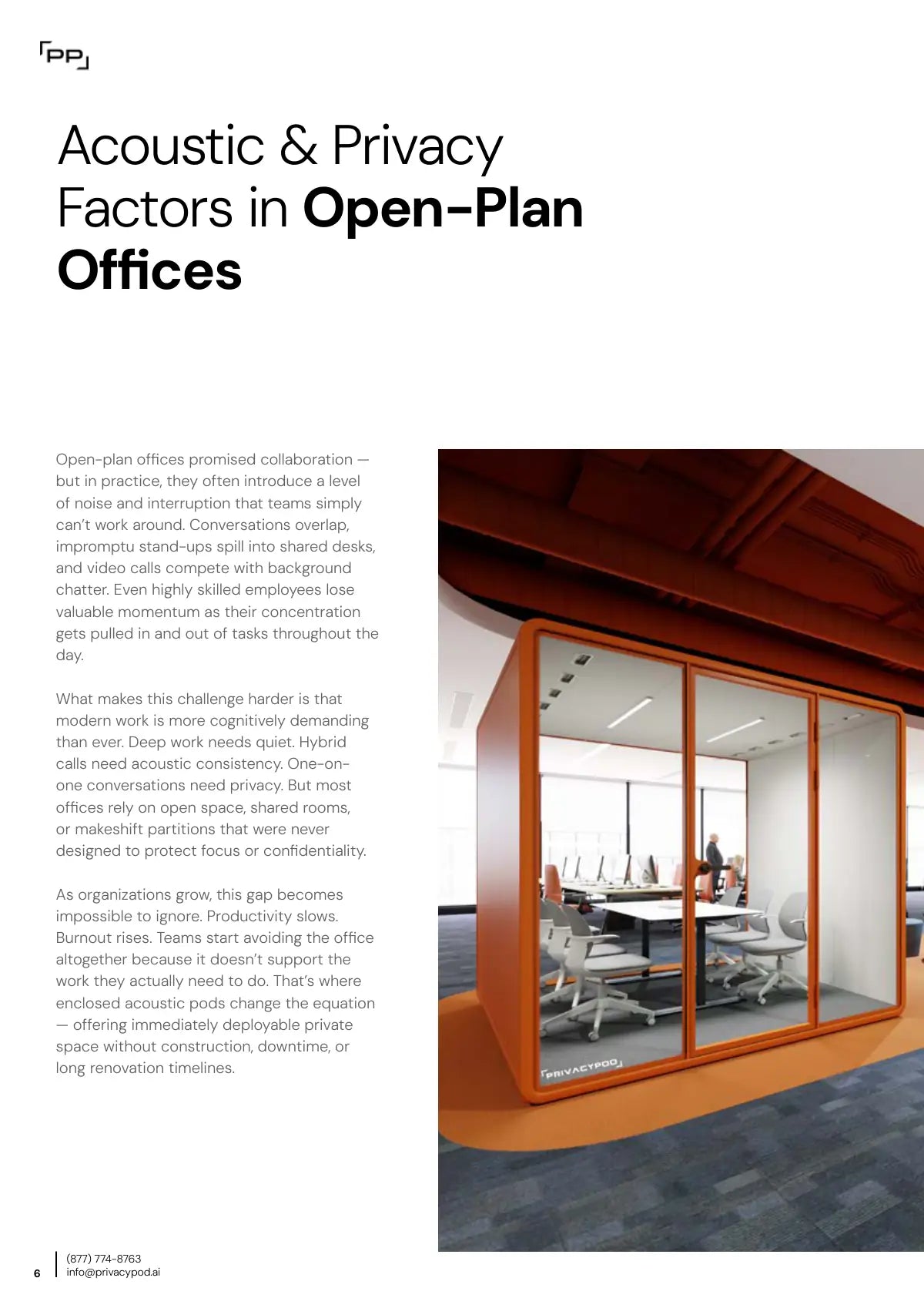
Approximately one in seven people identifies as neurodivergent, making this a significant portion of your talent pool. Consider the constant hum of the HVAC, a colleague's sudden phone call, and echoing chatter in an open-plan office. For many, this creates a relentless sensory assault that hinders performance.
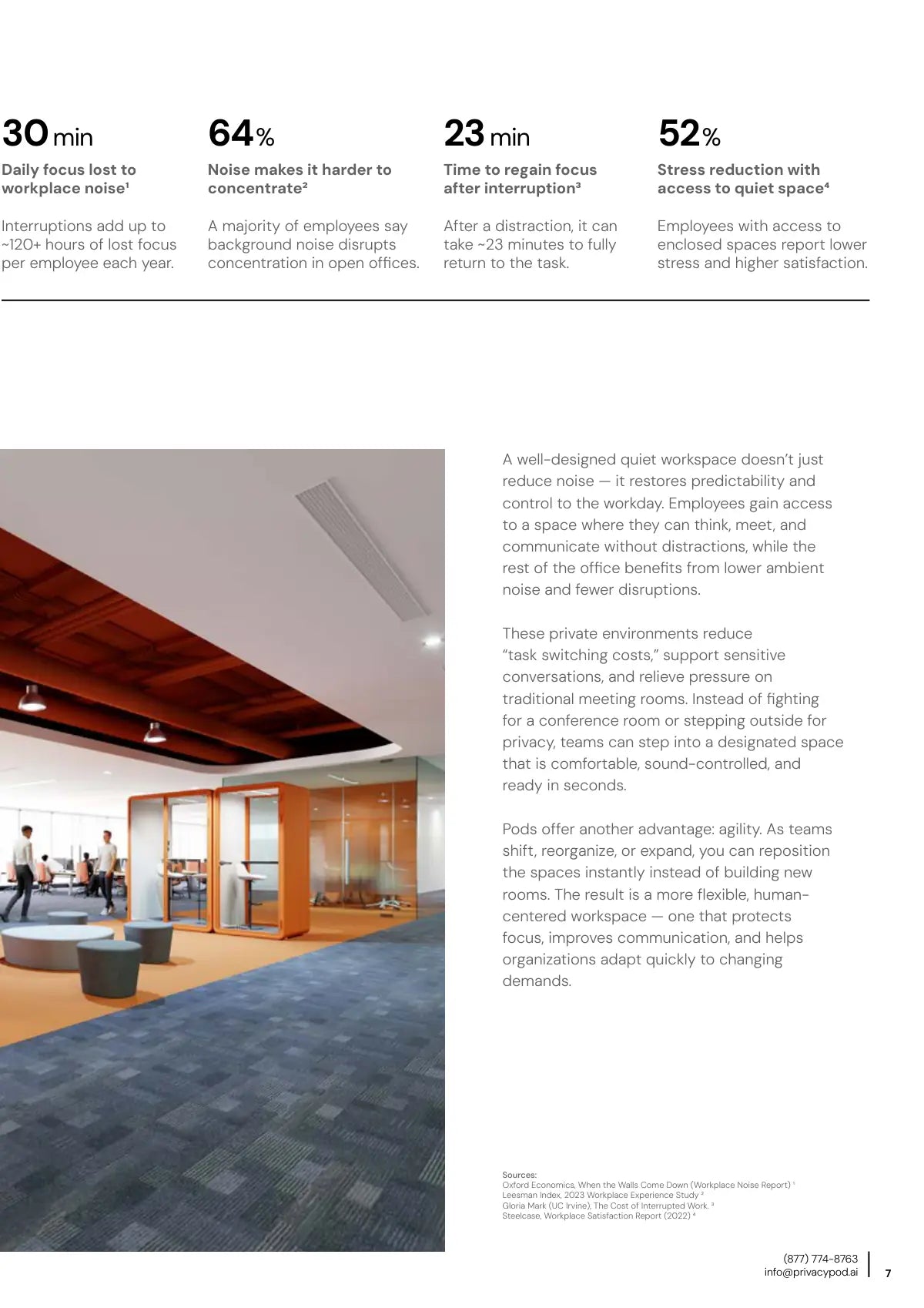
By afternoon, an overstimulated employee's focus can shatter, forcing them to leave early just to recover. This scenario isn't unique, as research shows that poor acoustic design affects employee satisfaction and productivity, with noise being a primary culprit. These distractions can result in thousands of dollars in lost productivity per employee each year.
For too long, workplace design has prioritized aesthetics over accessibility, inadvertently creating barriers for neurodivergent employees. The solution isn't just offering noise-canceling headphones; it's about fundamentally rethinking our environments. This article demonstrates that intentional acoustic architecture is not merely a facility upgrade but a cost-effective path toward genuine workplace inclusivity.
Understanding Neurodiversity & Sensory Processing
To design inclusive spaces, we must build a shared language and a foundation of empathy. Neurodiversity is the concept that brain differences are natural variations of the human genome. It includes Autism Spectrum Disorder (ASD), Attention-Deficit/Hyperactivity Disorder (ADHD), and sensory processing disorders.
For many neurodivergent individuals, the brain processes sensory information like sound differently. What might be background noise to a neurotypical person can feel like a direct, overwhelming, and even painful stimulus. This is a physiological reality where auditory stimuli can trigger sensory overload.
The disconnect between neurodivergent employees and their work environments is stark. Only 14% of neurodivergent employees say their workplace is psychologically safe, compared to 41% of their neurotypical peers. This safety gap has tangible consequences: 70% of neurodivergent employees say they feel misunderstood at work, directly impacting wellbeing, retention, and performance.

The research reveals an even deeper challenge; 77% of all adults agree that neurodivergent employees feel pressure to “mask” or conform to neurotypical behaviors at work due to this stigma. Among neurodivergent individuals, 82% agree. Masking is linked to a 3x higher risk of burnout in neurodivergent staff. When neurodivergent employees feel unsupported or psychologically unsafe, they are more likely to leave their job, making the creation of sensory-friendly and psychologically safe workspaces not merely a matter of equity but a strategic imperative for retention and organizational success.
Sudden, sharp sounds like notifications can disrupt concentration, while the continuous hum from HVAC systems creates low-grade stress. Open spaces with hard surfaces cause sound to bounce, creating a chaotic soundscape that is difficult for the brain to filter. The impact is tangible, cascading from an individual's well-being directly to the company's bottom line.
| Sensory Symptom | Employee Outcome | Business Impact |
| Auditory Overstimulation | Cortisol spike, anxiety, fatigue | Increased absenteeism and burnout |
| Selective Attention Fatigue | Significant drop in task accuracy | Higher error costs and rework |
| Cognitive Overload | Reduced problem-solving ability | Decreased innovation and productivity |
Key Insight: Sensory overload isn't a preference; it's a physiological event. For businesses, this translates directly into measurable losses in productivity, increased burnout, and higher employee turnover. Addressing acoustics is a direct investment in your workforce's performance.
Why Acoustics Matter More Than You Think
While discussions around inclusive design often focus on visible elements like ergonomic chairs, acoustics are arguably the most critical sensory input. In fact, according to the National Institute for Occupational Safety and Health, 22 million workers are exposed to hazardous noise levels at work each year, directly impacting their ability to focus. This represents 14% of the current U.S. workforce, though approximately 25% of all workers have been exposed to hazardous noise at some point in their careers. High ambient noise levels correlate with significantly higher levels of stress hormones and cardiovascular strain.

An employee has less control over sound compared to other sensory inputs. You can dim bright lights or turn away from a visual distraction, but you cannot "close your ears." Sound permeates space, making acoustic management a fundamental challenge for creating zones of psychological safety and focus, especially for neurodivergent individuals.
Office acoustics operate on a standardized scale that reveals significant variation in acceptable noise levels depending on function and occupancy. Private offices maintain NC 30-35 (40-45 dB), creating quiet environments suitable for focused work, while large open-plan areas tolerate NC 35-40 (45-50 dB) to accommodate moderate activity. Conference rooms require the strictest standards at NC 25-30 (35-40 dB) to facilitate uninterrupted communication and decision-making. Areas housing business equipment and computers operate at higher thresholds of NC 40-45 (50-55 dB), reflecting the inherent noise from machinery and systems.

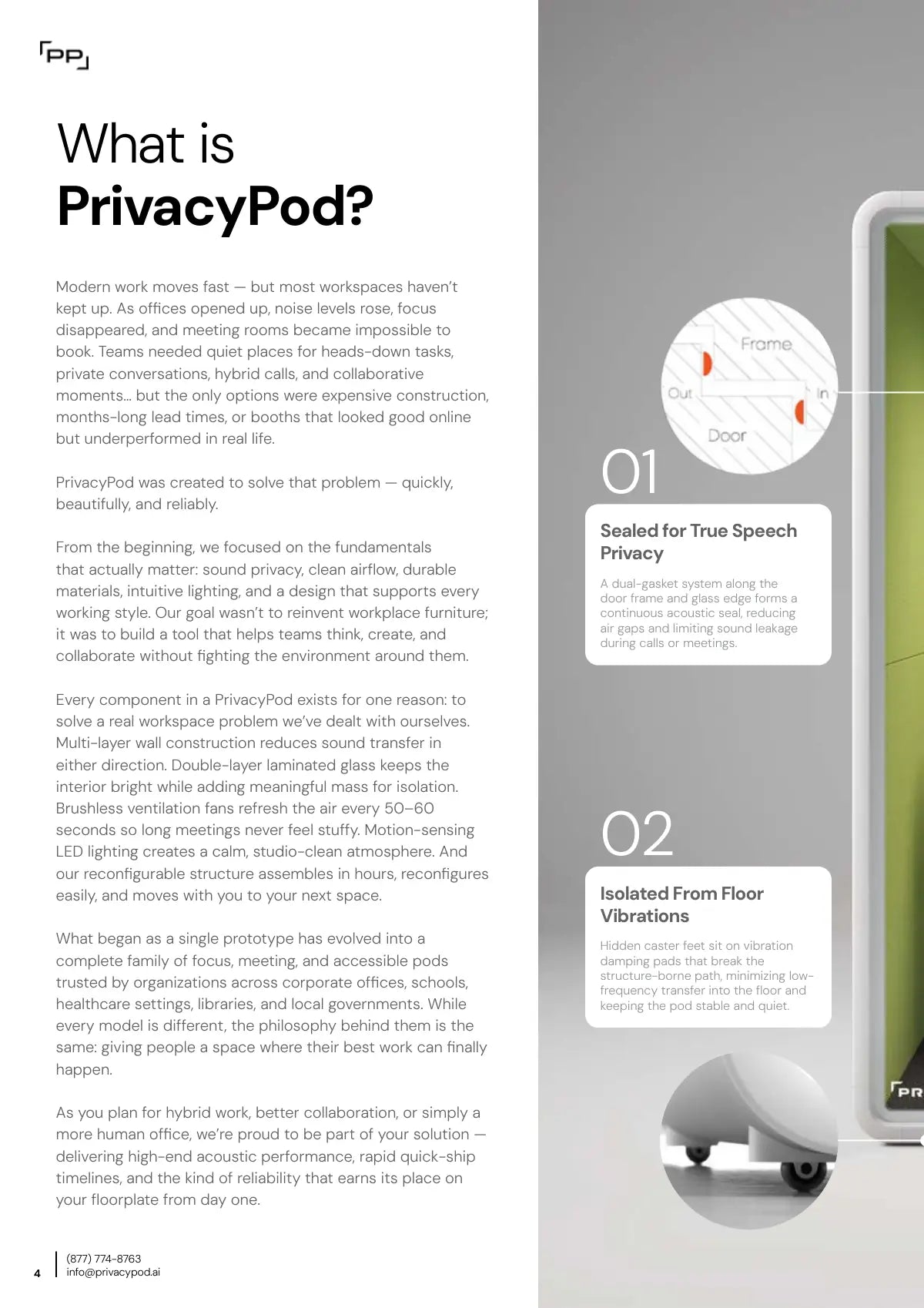
Understanding acoustic metrics is crucial for making informed decisions. Noise Isolation Class (NIC) is a field measurement of actual sound isolation, but the most accurate measure for furniture and pods is ISO 23351-1, the international standard for speech privacy.
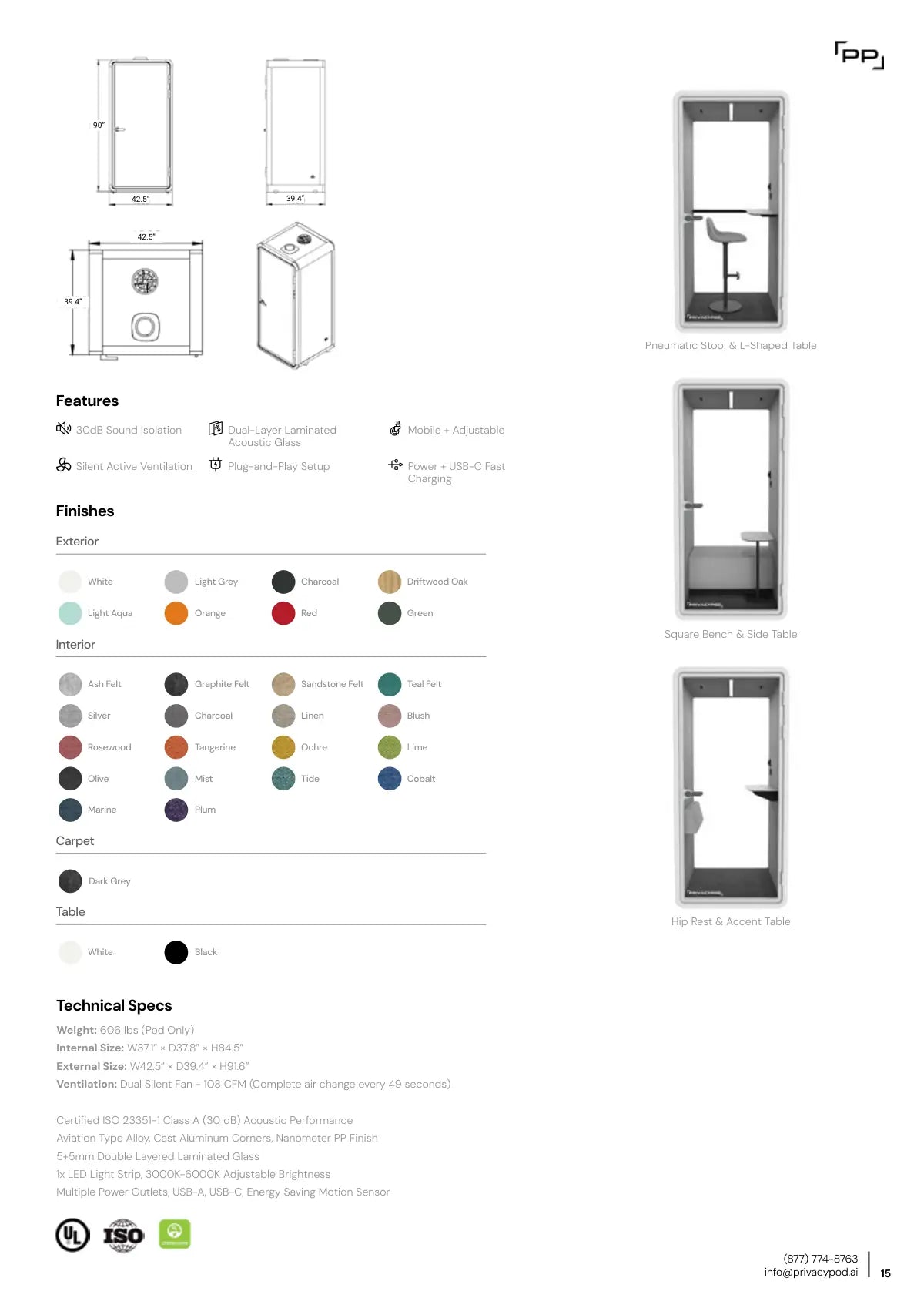
A pod certified to ISO 23351-1 Class A provides about 30 dB of speech level reduction. This translates to a perceived noise reduction of roughly 50%. A distracting conversation becomes an unintelligible, ignorable murmur.
Five Acoustic-Design Principles for Inclusive Workplaces
Creating an acoustically inclusive workplace is about providing choice, control, and a rich, supportive sensory landscape. By adopting a universal design mindset, organizations can create environments where everyone can thrive. Here are five core principles to guide your strategy.
 |
Stimulation & Naturalness. A truly inclusive space isn't sterile or silent; it's balanced. Mitigate distracting noise while providing positive sensory cues, such as biophilic soundscapes from water features or birdsong. Complement these with high-performance, natural-looking sound-absorbing materials like moss walls or cork baffles. |
 |
Flexibility, Adjustability & Movement. Since there is no one-size-fits-all solution, the workplace must be adaptable. Provide employees with tools to modify their sensory environment, such as mobile acoustic screens or modular seating. These empower teams to create pop-up focus nooks or collaborative zones on demand. |
 |
Graduated Privacy for Social Interaction. Avoid a binary choice between a loud open floor and a silent room. Instead, design a sound gradient with progressively lower decibel levels. This layered approach allows employees to self-select the environment that best matches their task and sensory threshold, from a vibrant café to quiet meeting pods. |
 |
Simple Wayfinding. Navigating a large office can be a source of anxiety. Integrate acoustic cues with visual and tactile ones to create an intuitive experience. For example, use deeper-pile carpet in quiet zones to signal a transition, combined with high-contrast color coding and Braille signage. |
 |
Universal Design Mindset. These principles are rooted in Universal Design, which is the idea of creating environments usable by all people without adaptation. By designing for those most sensitive to sensory input, you create a better environment for everyone. This approach positively impacts DEI metrics, boosts retention, and helps attract diverse talent. |
Key Insight: Truly inclusive spaces aren't just quiet; they offer a gradient of sound. Providing a spectrum from social buzz to deep focus empowers employees to choose the environment that matches their task and sensory needs, boosting autonomy and productivity.
Macro Planning: Zoning & Layout Strategies
Before investing in specific products, a successful acoustic strategy begins with intelligent floor plan zoning. A well-thought-out layout is your first line of defense against noise pollution and sensory overload. It involves strategically separating incompatible activities and creating a coherent sensory journey.
Activity-Based Work (ABW) Typology. Divide your floor plan into distinct zones based on the type of work performed. Create clear delineations for loud social zones, collaborative areas, quiet focus zones, and enclosed retreat zones. Placing social areas near the entrance and away from focus areas is a foundational step.
The Power of Distance & Barriers. Sound dissipates over distance, so ensure at least 30 feet between high-energy social zones and quiet areas. Use physical barriers like core walls, storage units, or large plant installations to block direct sound paths. These elements act as natural acoustic buffers, enhancing the effectiveness of your zoning strategy.
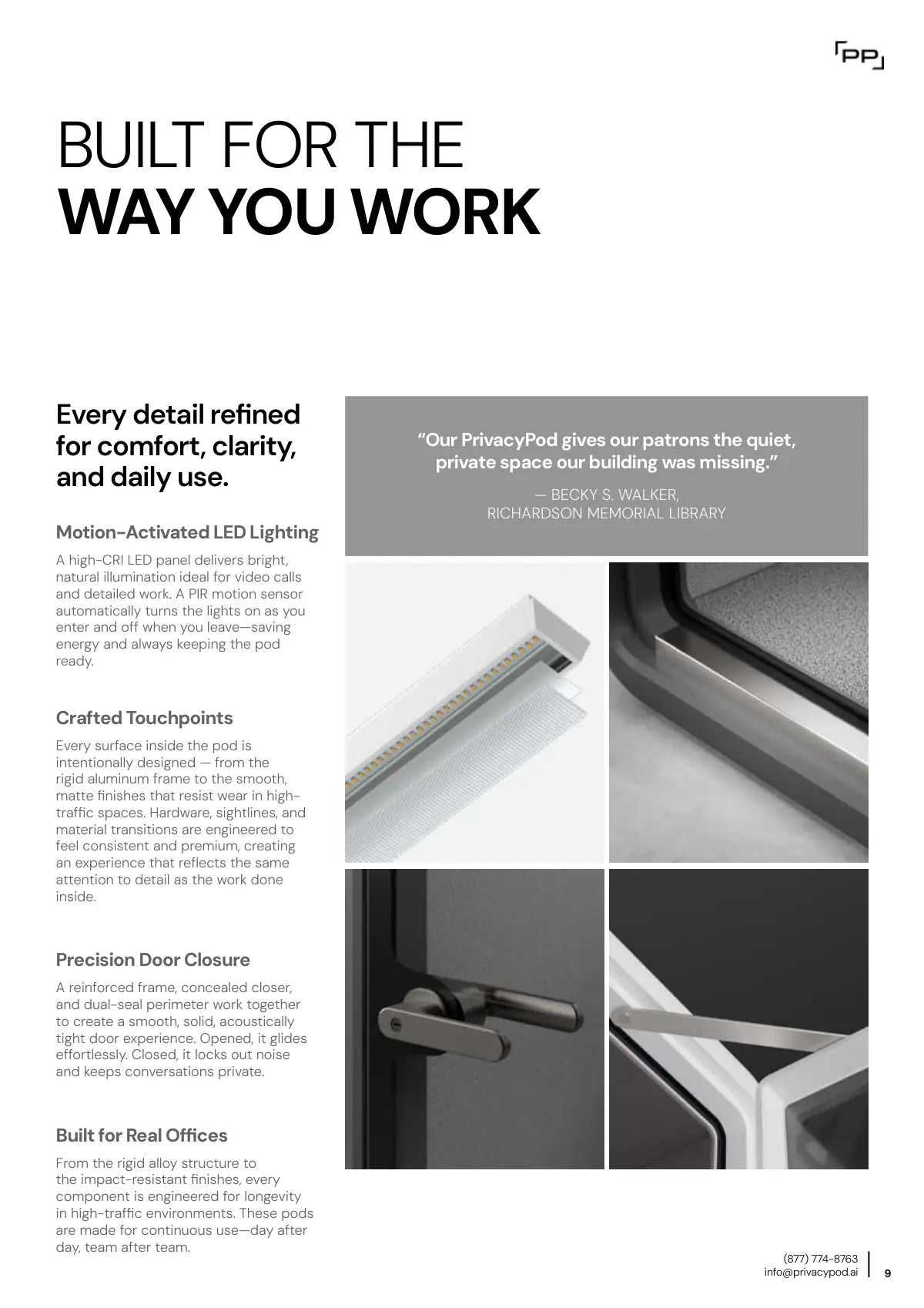
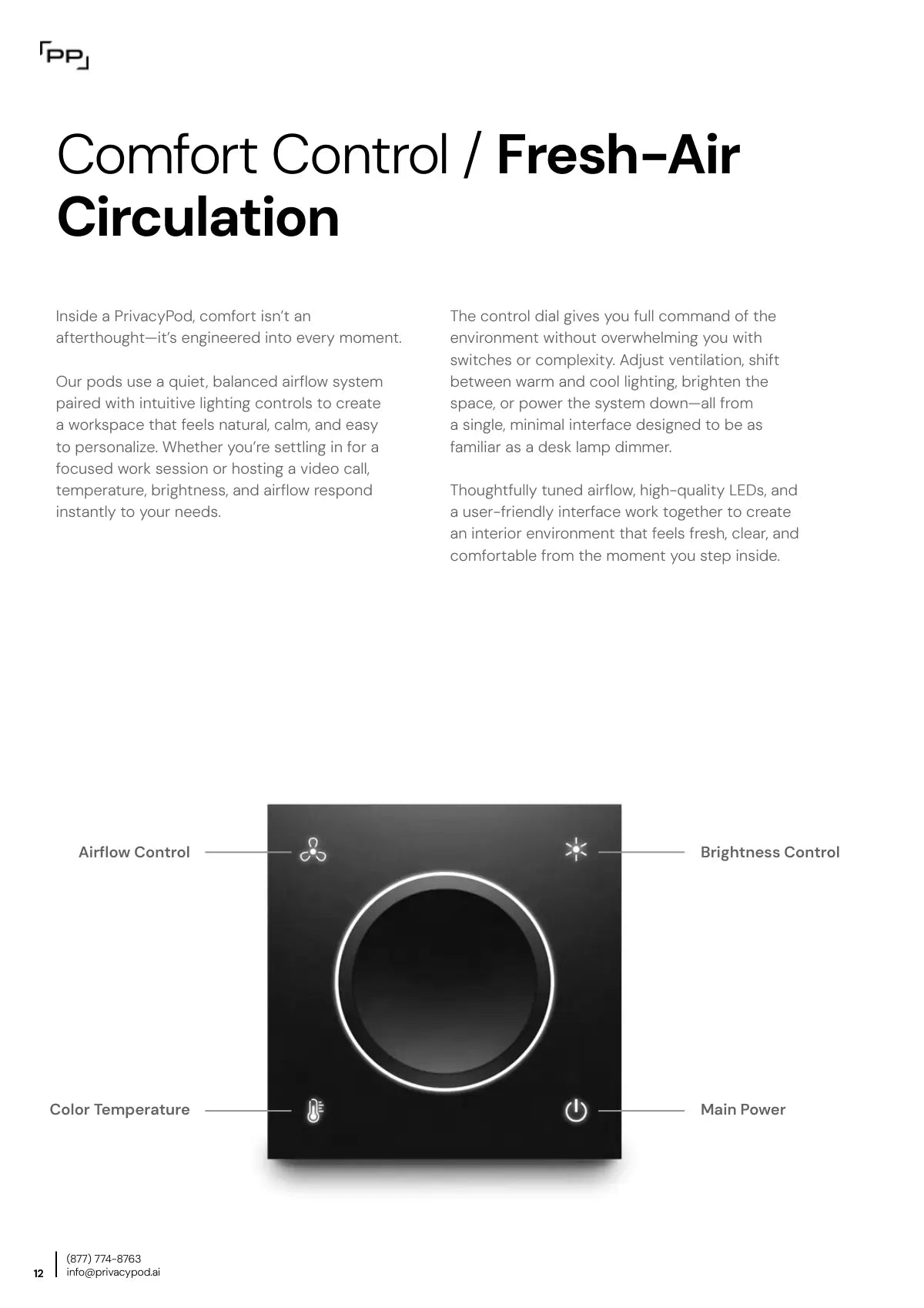
Systems Integration for Sensory Coherence. A good acoustic plan can be undermined by poorly integrated building systems. Ensure HVAC diffusers are not placed over quiet zones, and that lighting aligns with the zoning strategy. Use brighter, dynamic lighting in collaborative areas and warmer, calmer lighting in focus and retreat zones like office meeting pods.
Micro Solutions: Pods, Booths & Adaptive Elements
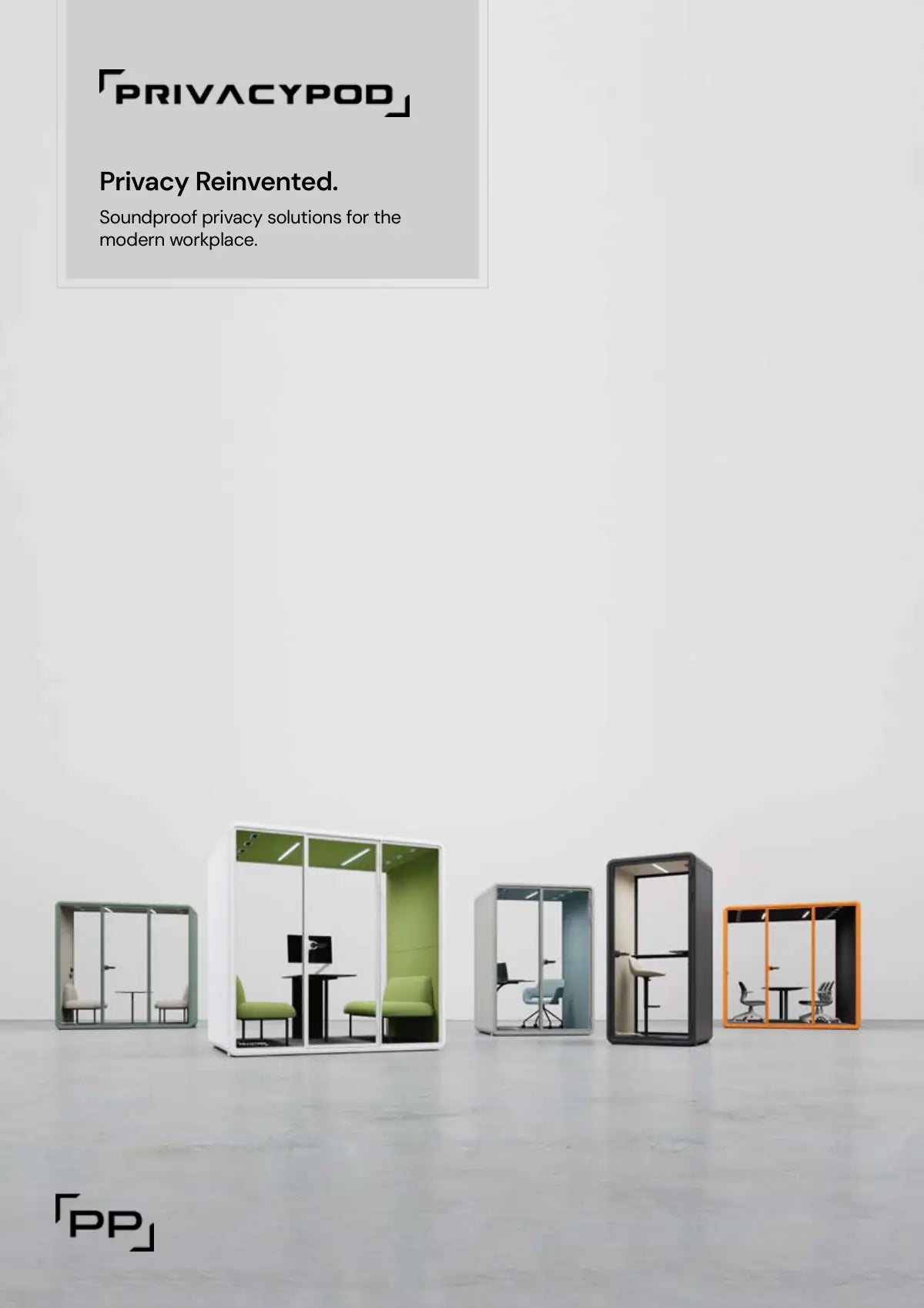
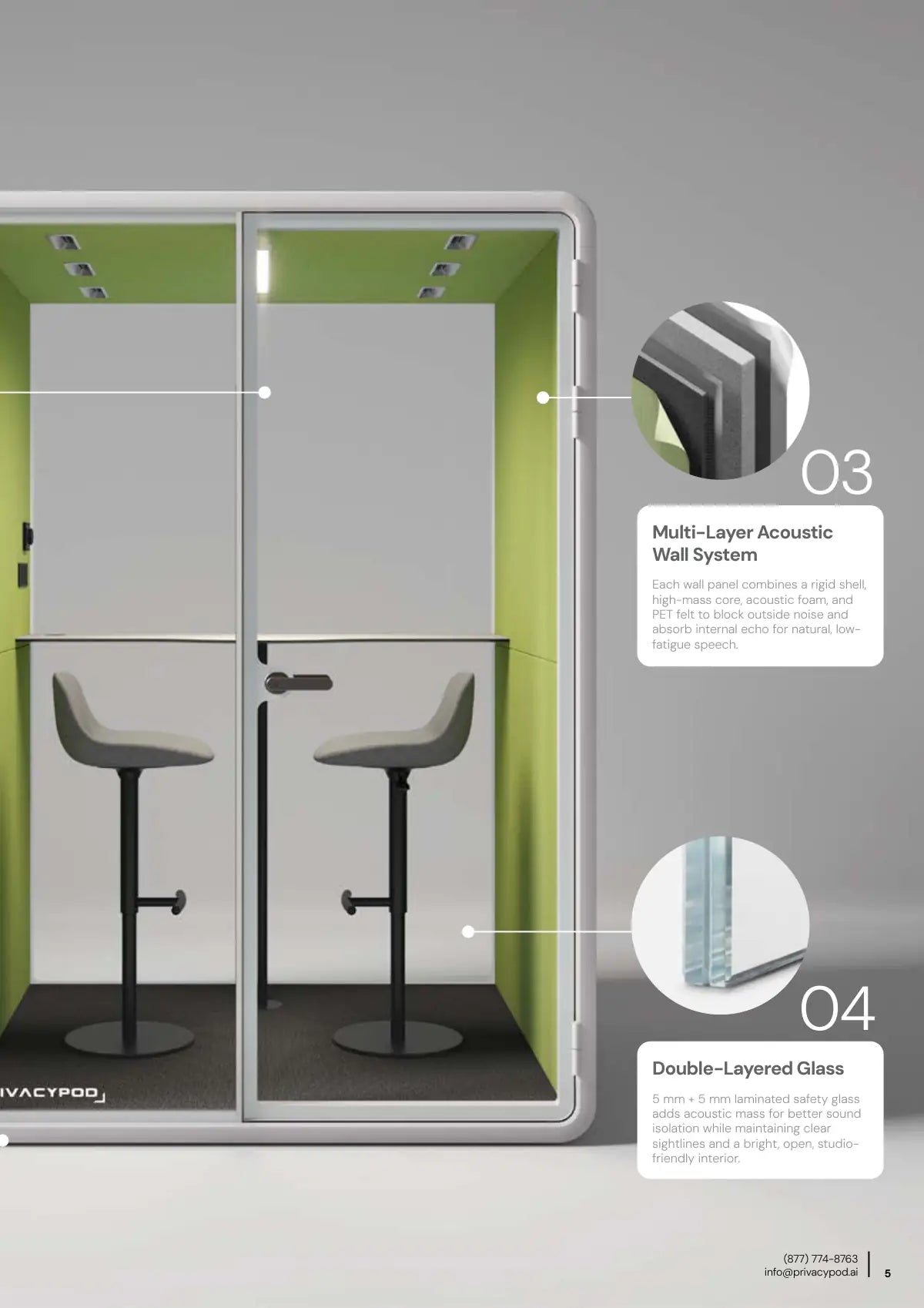
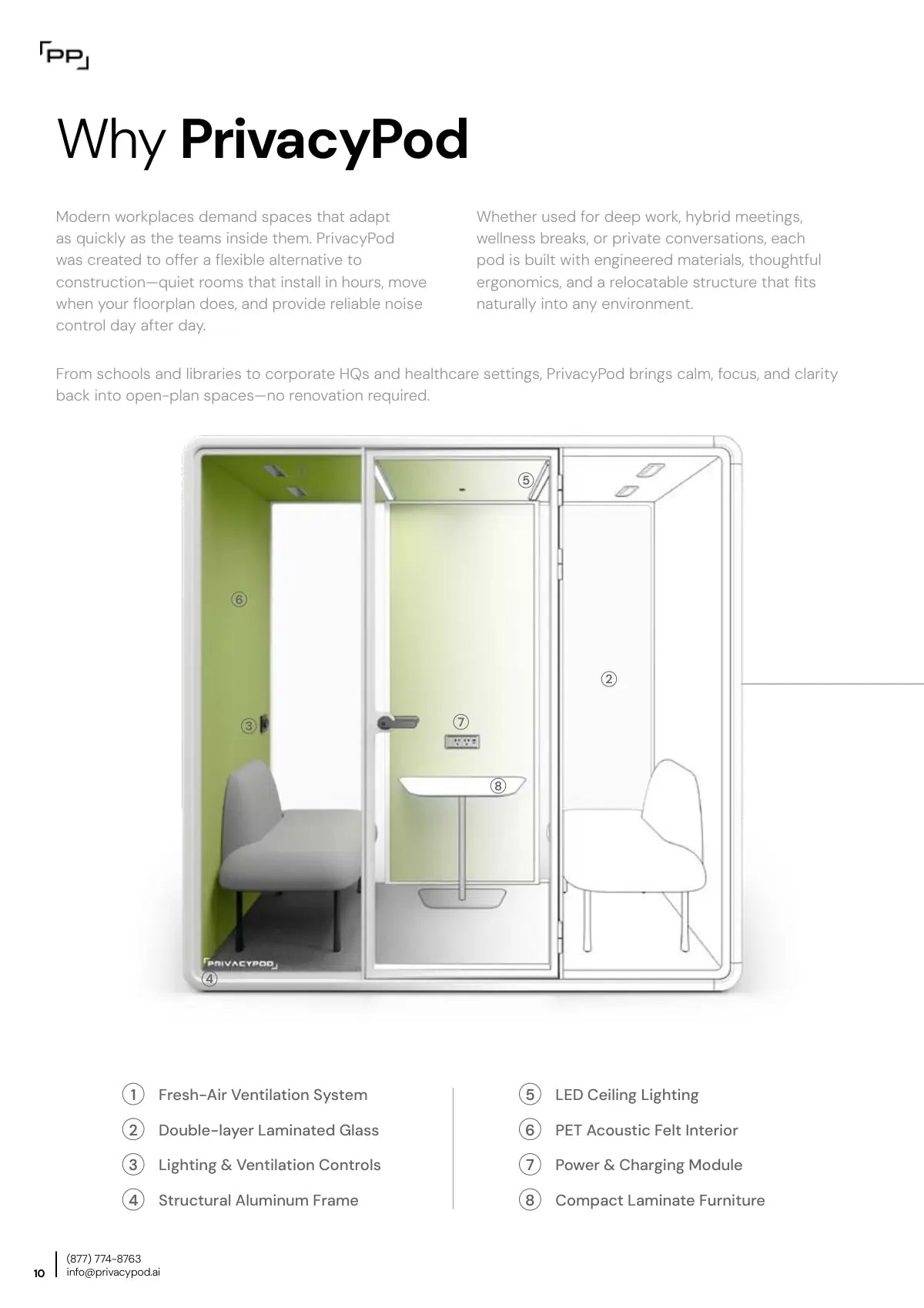
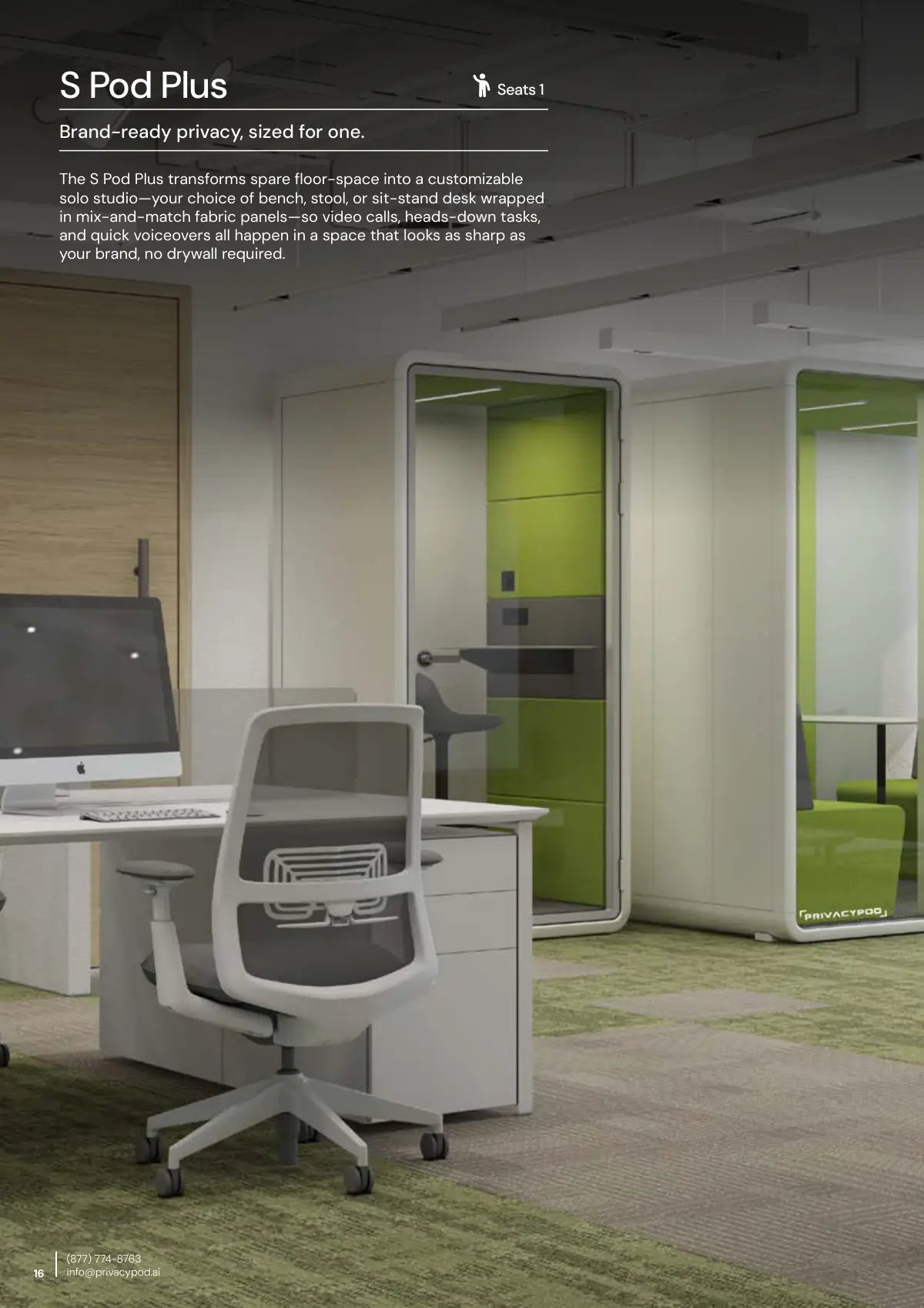
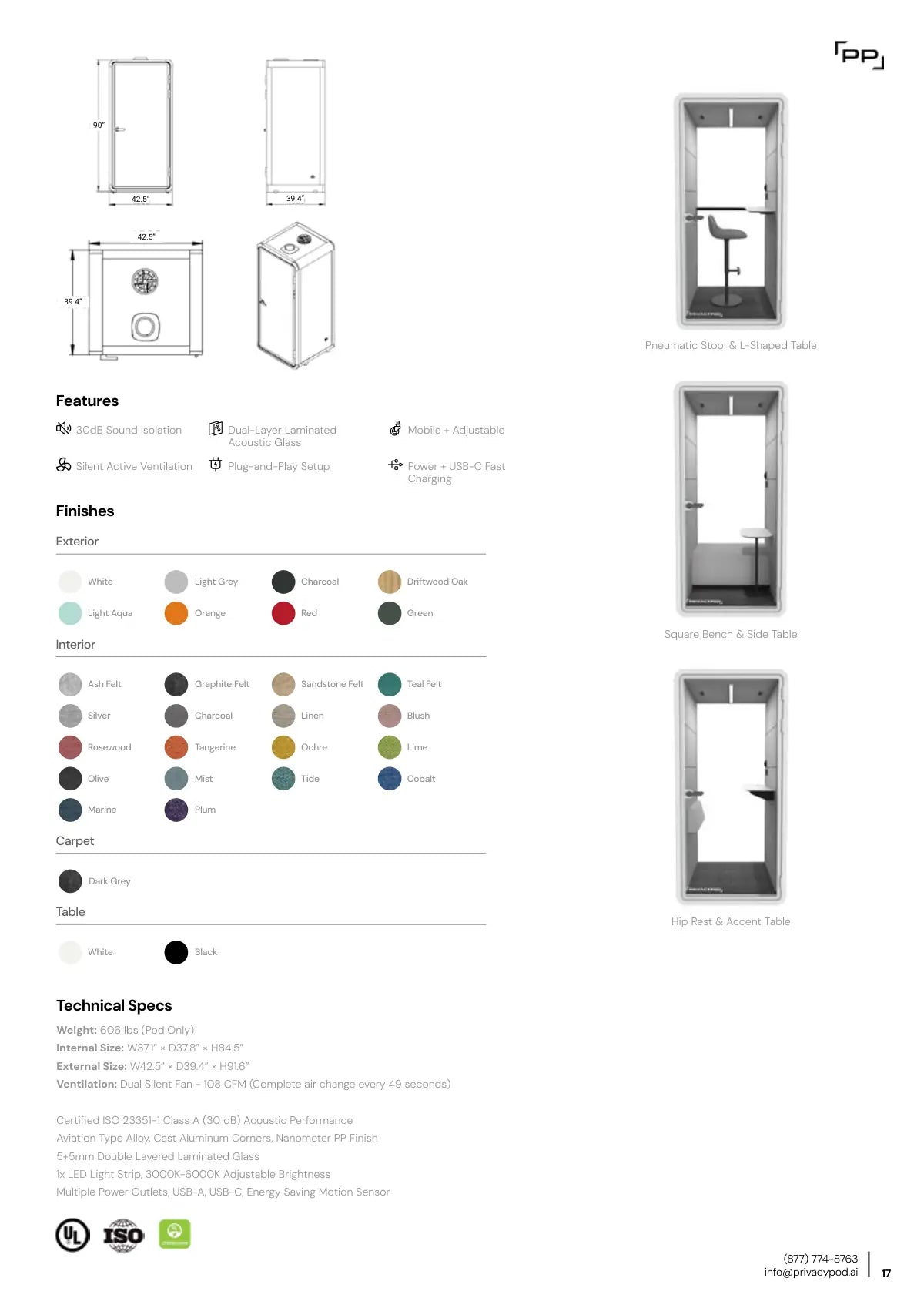
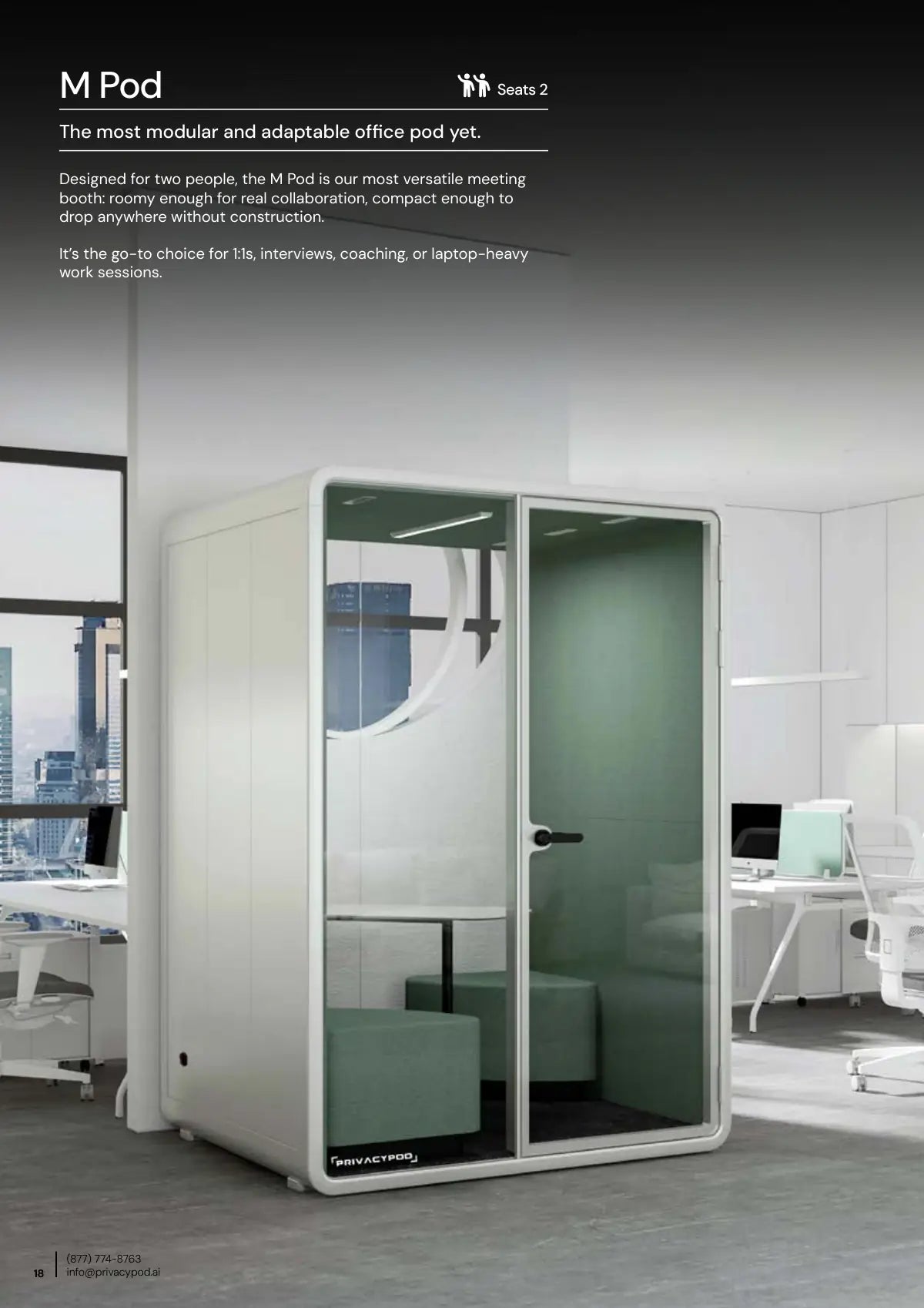
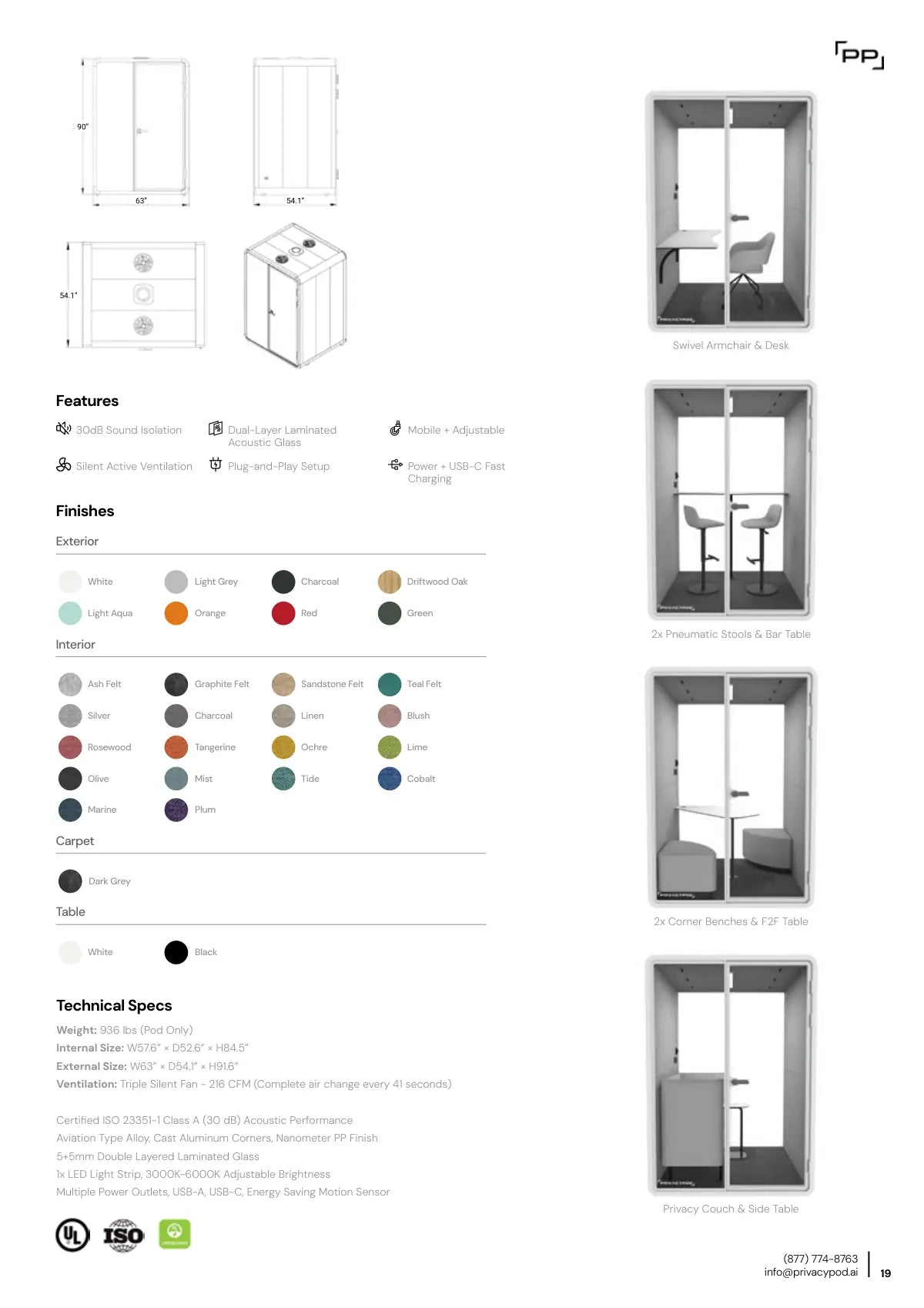
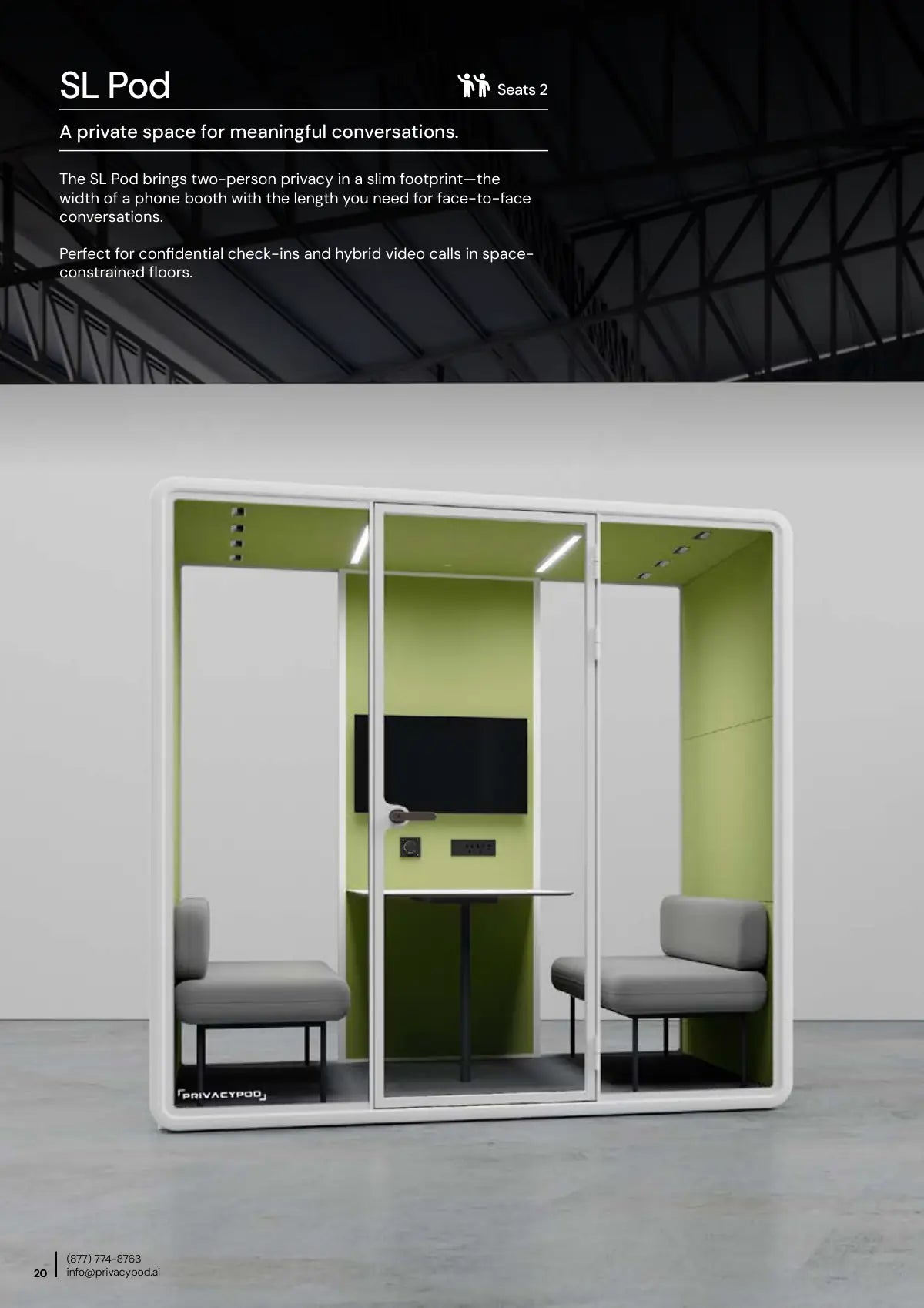
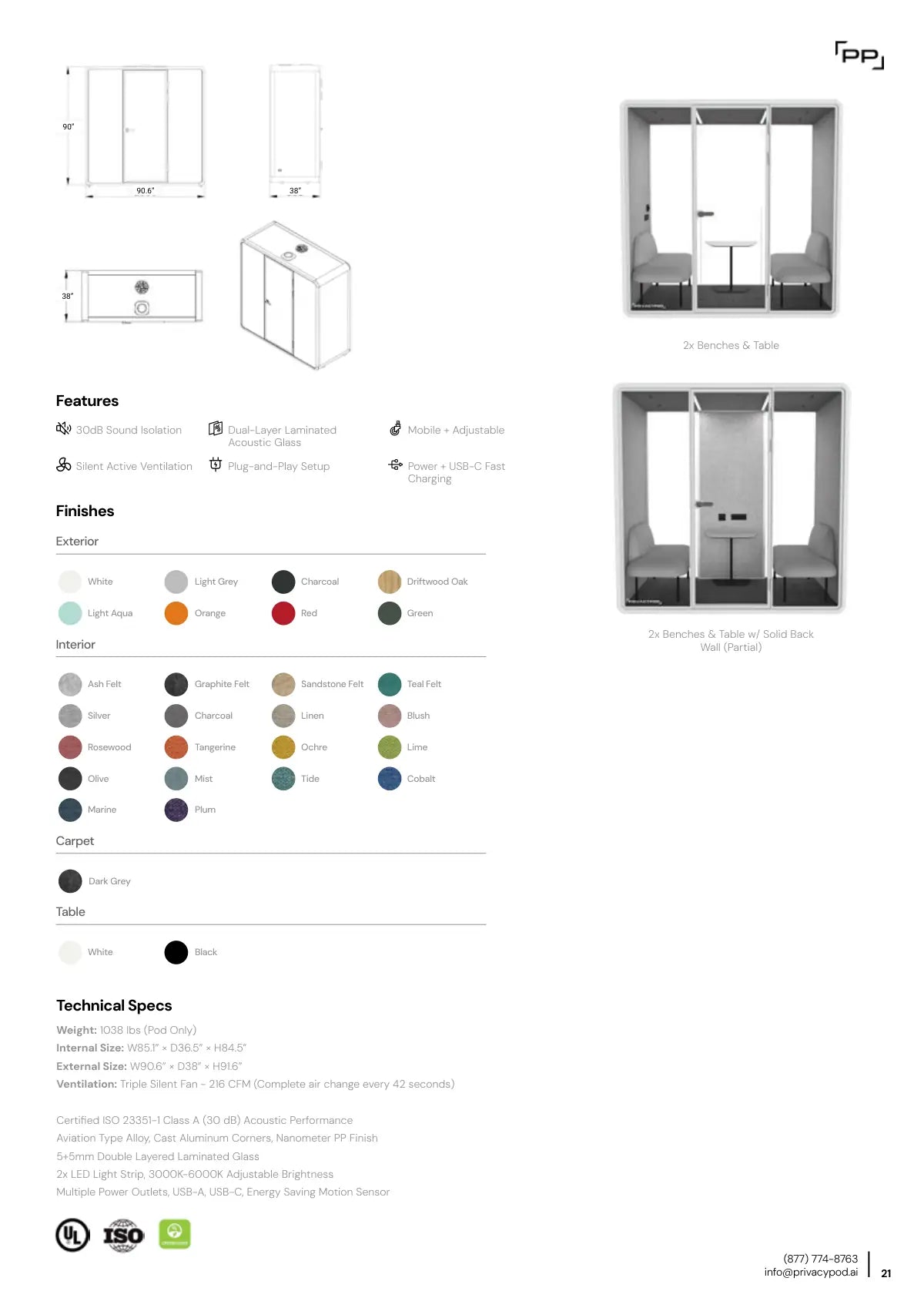
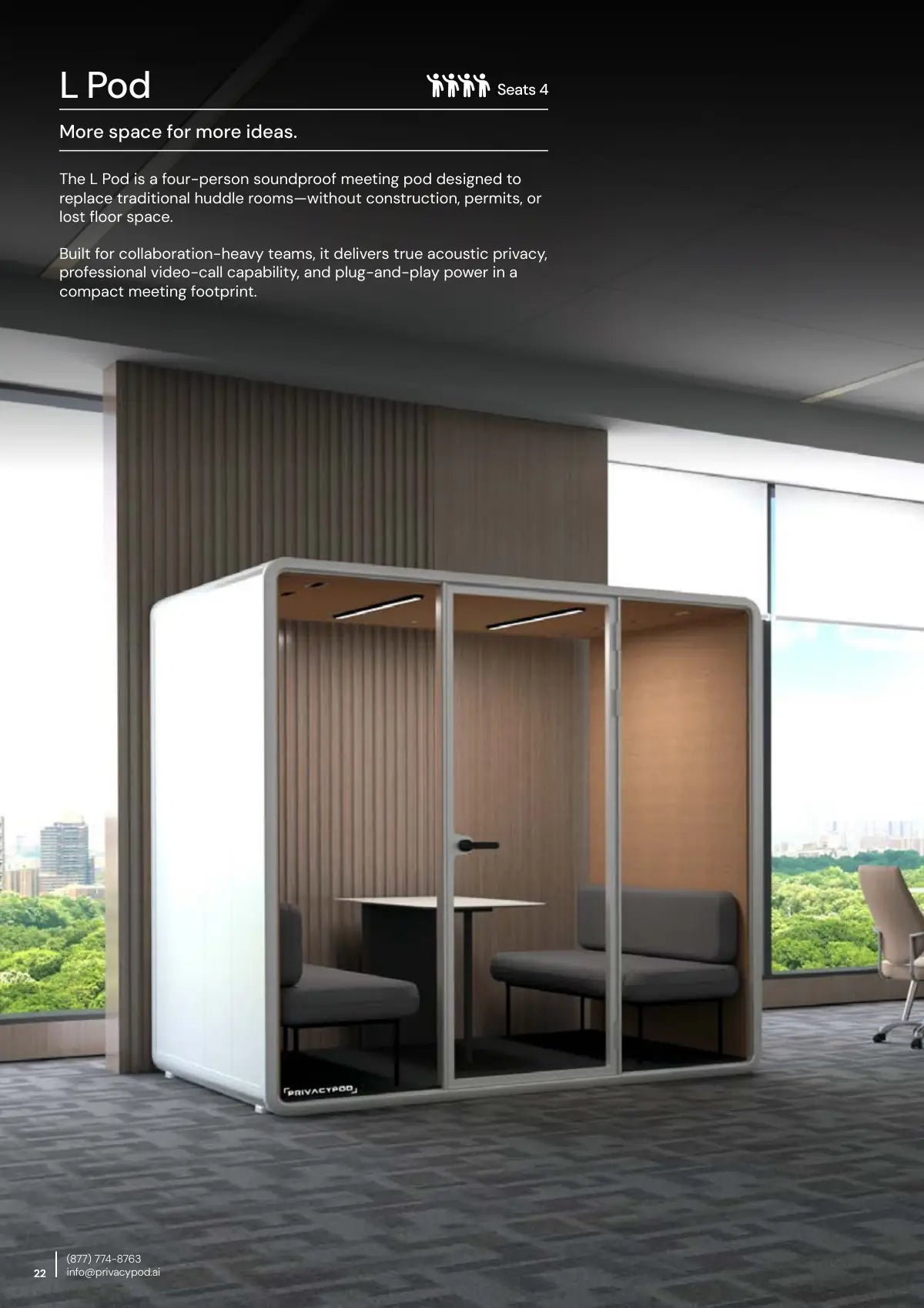
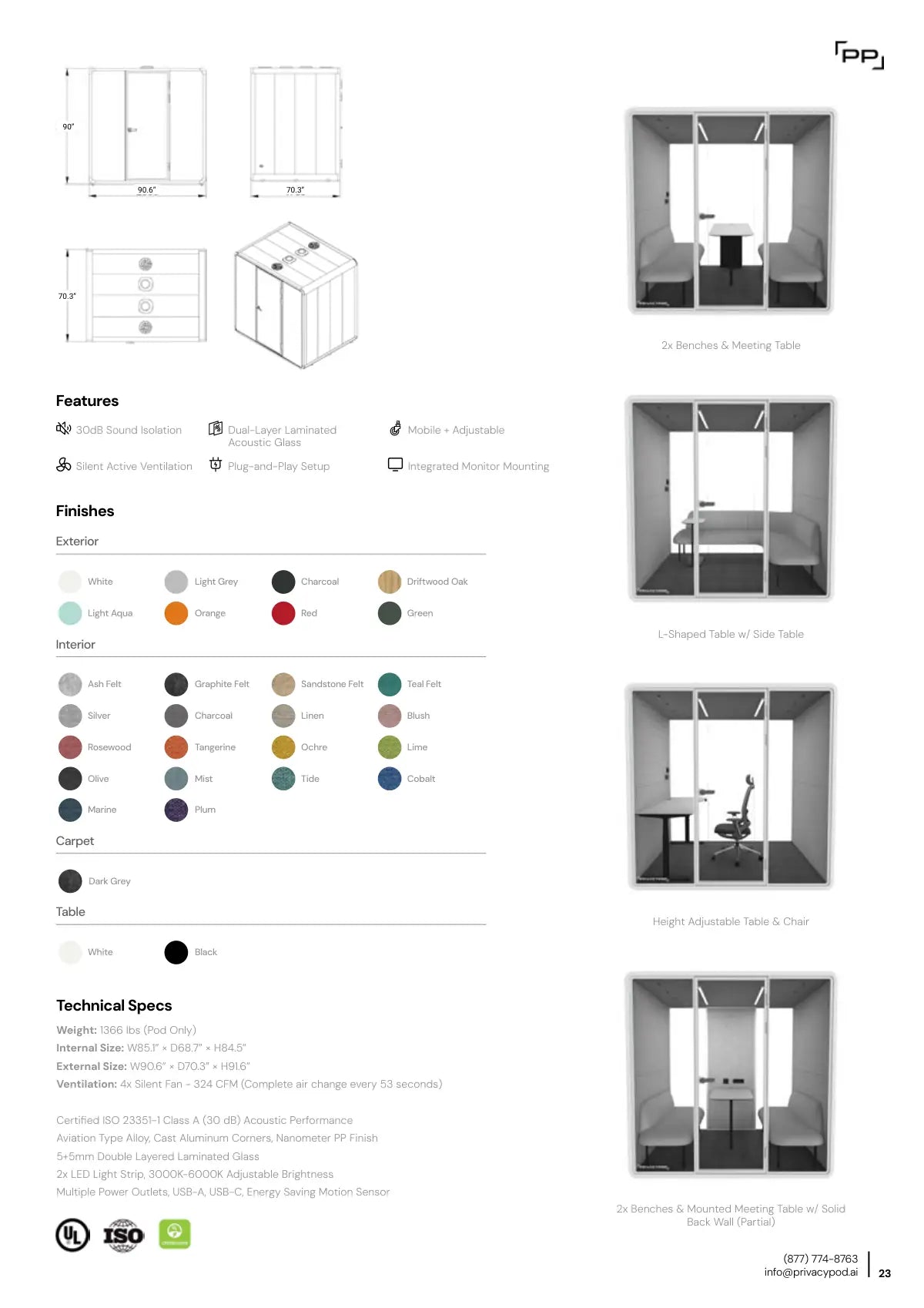
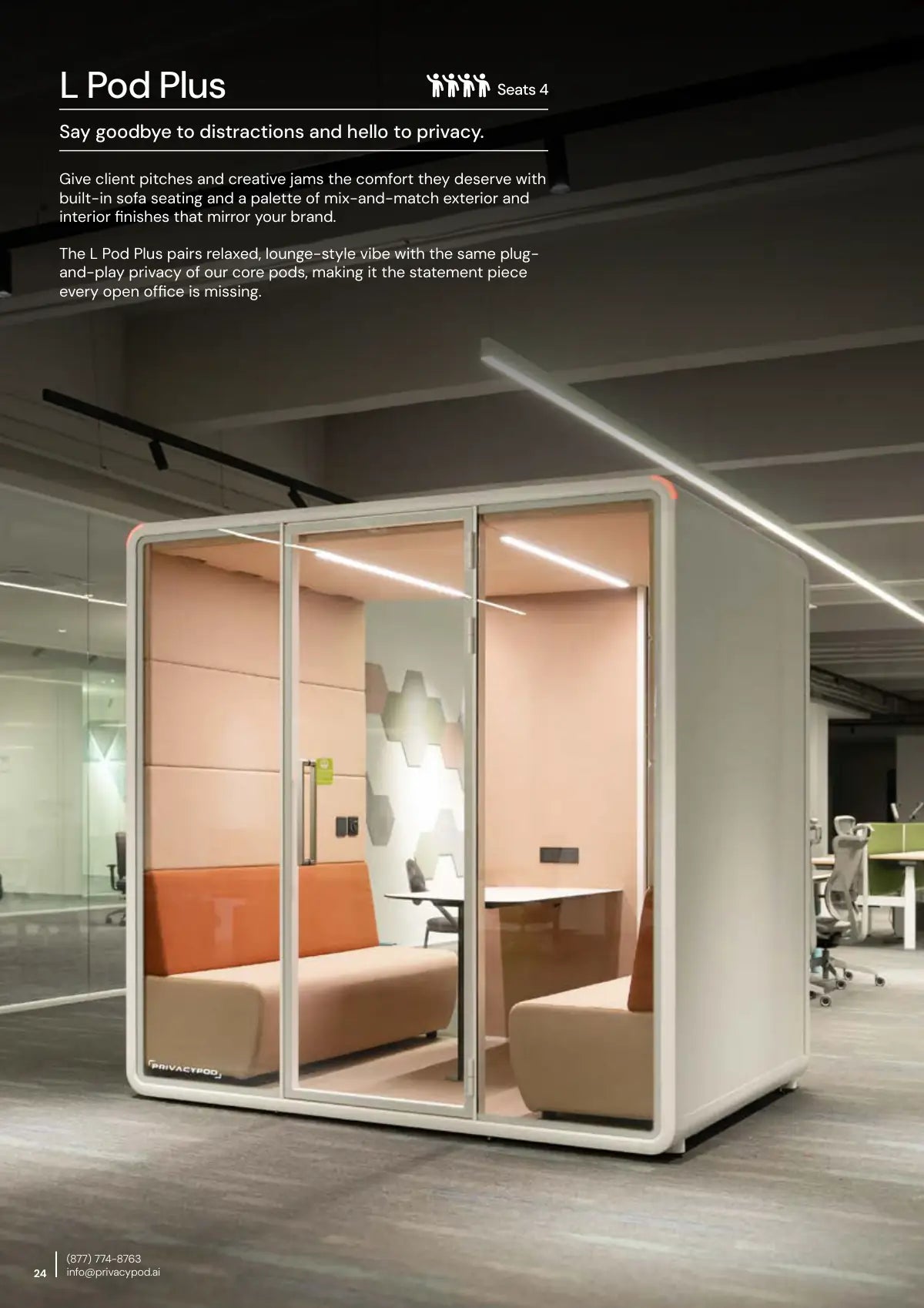
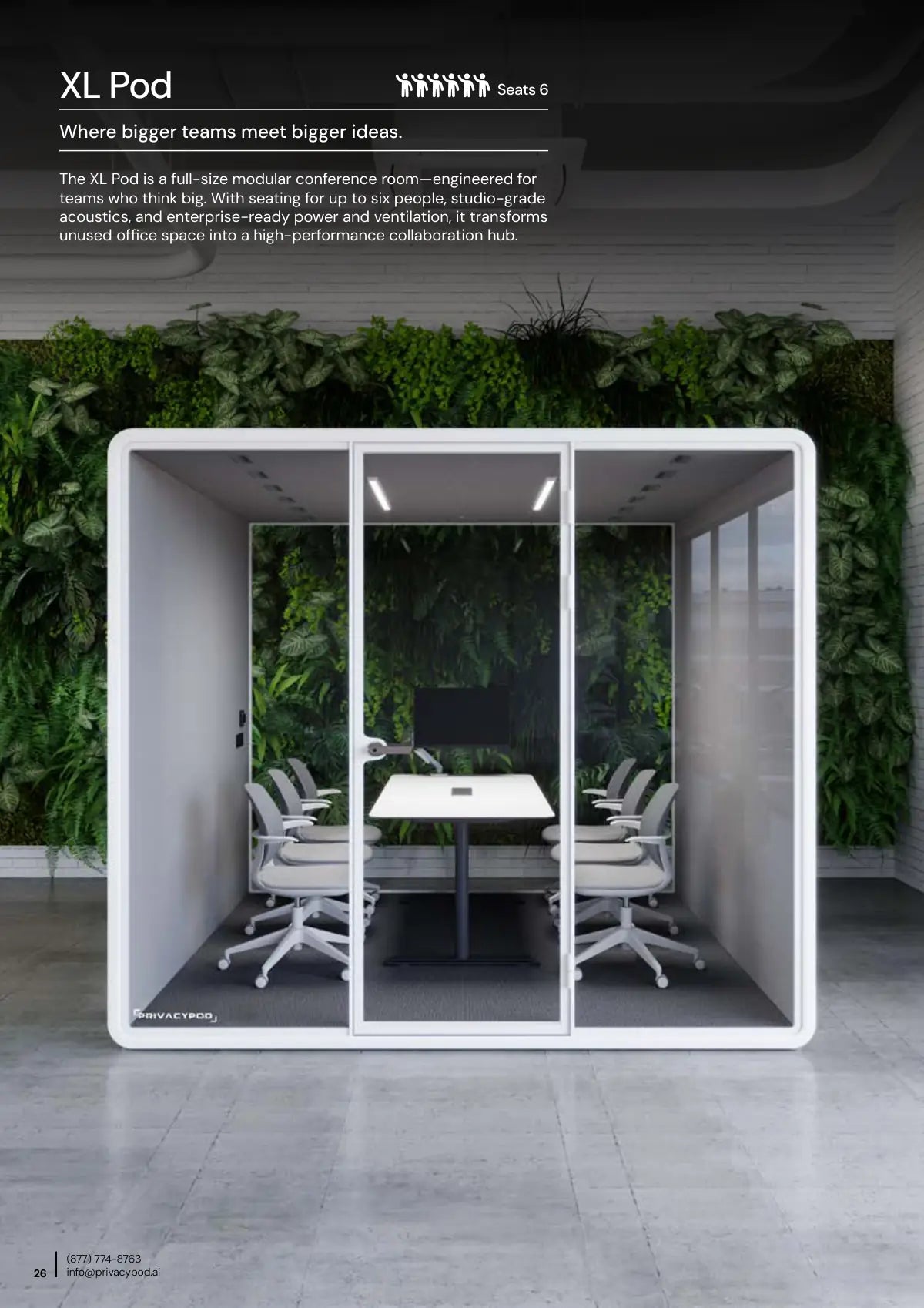
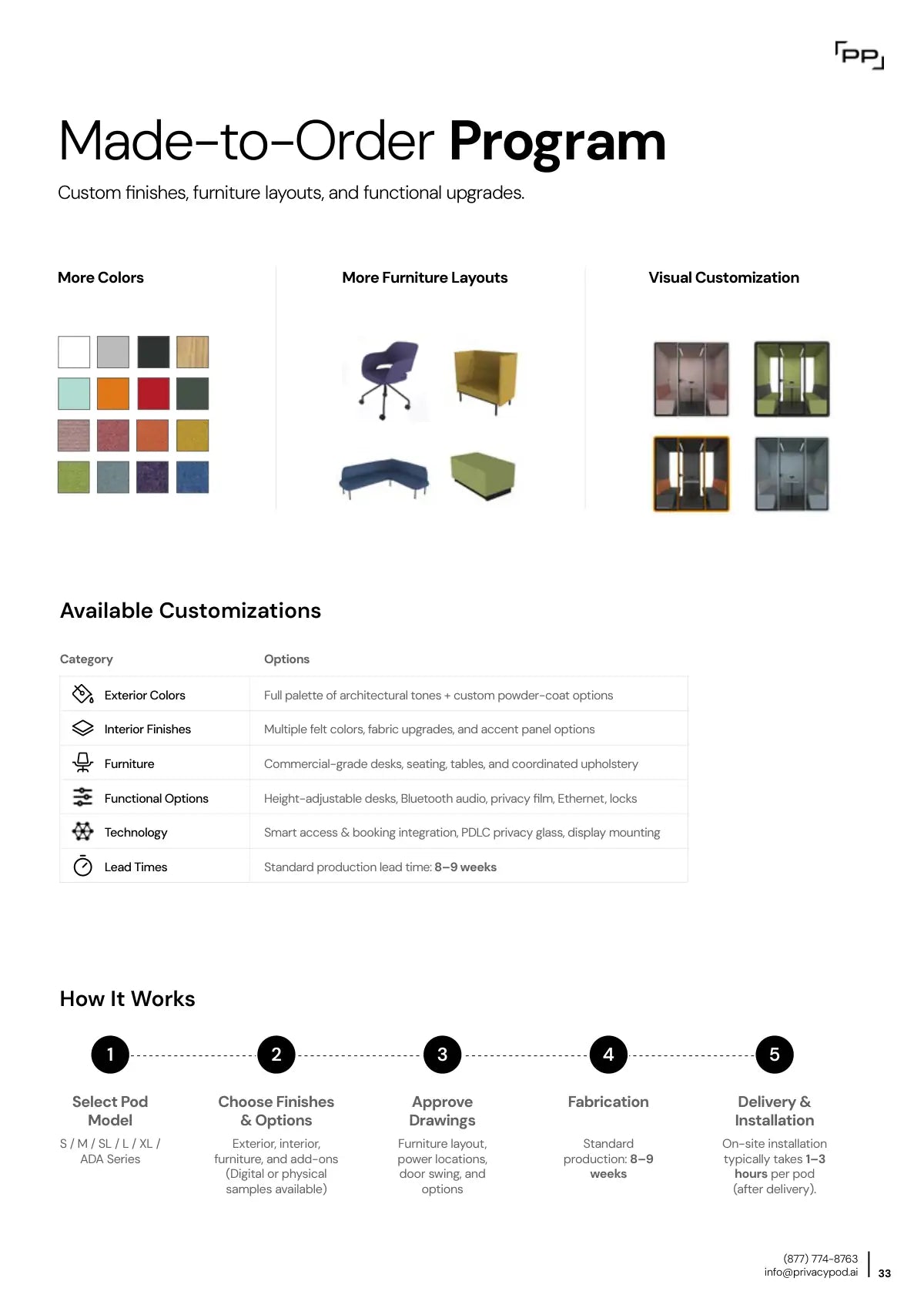
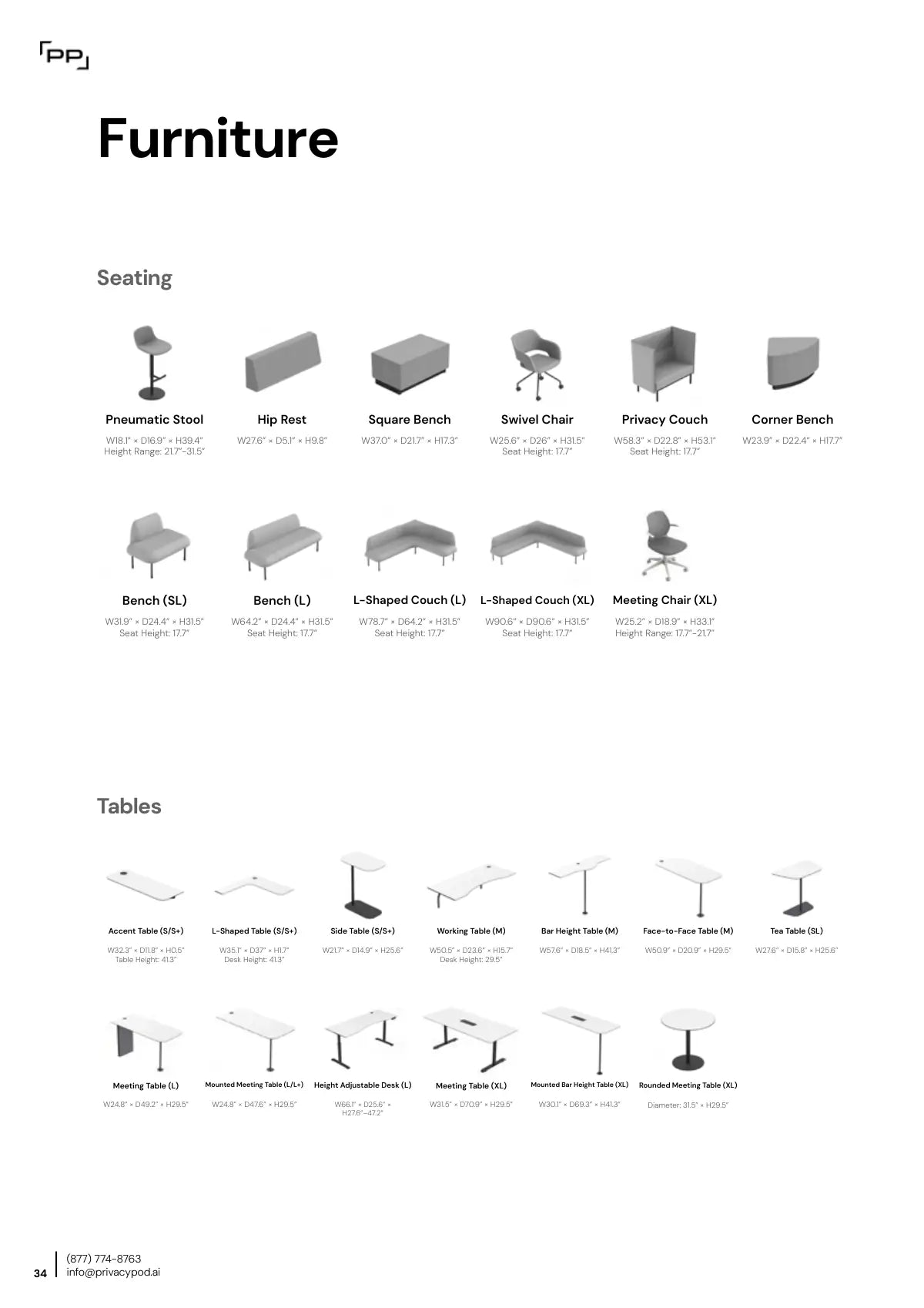
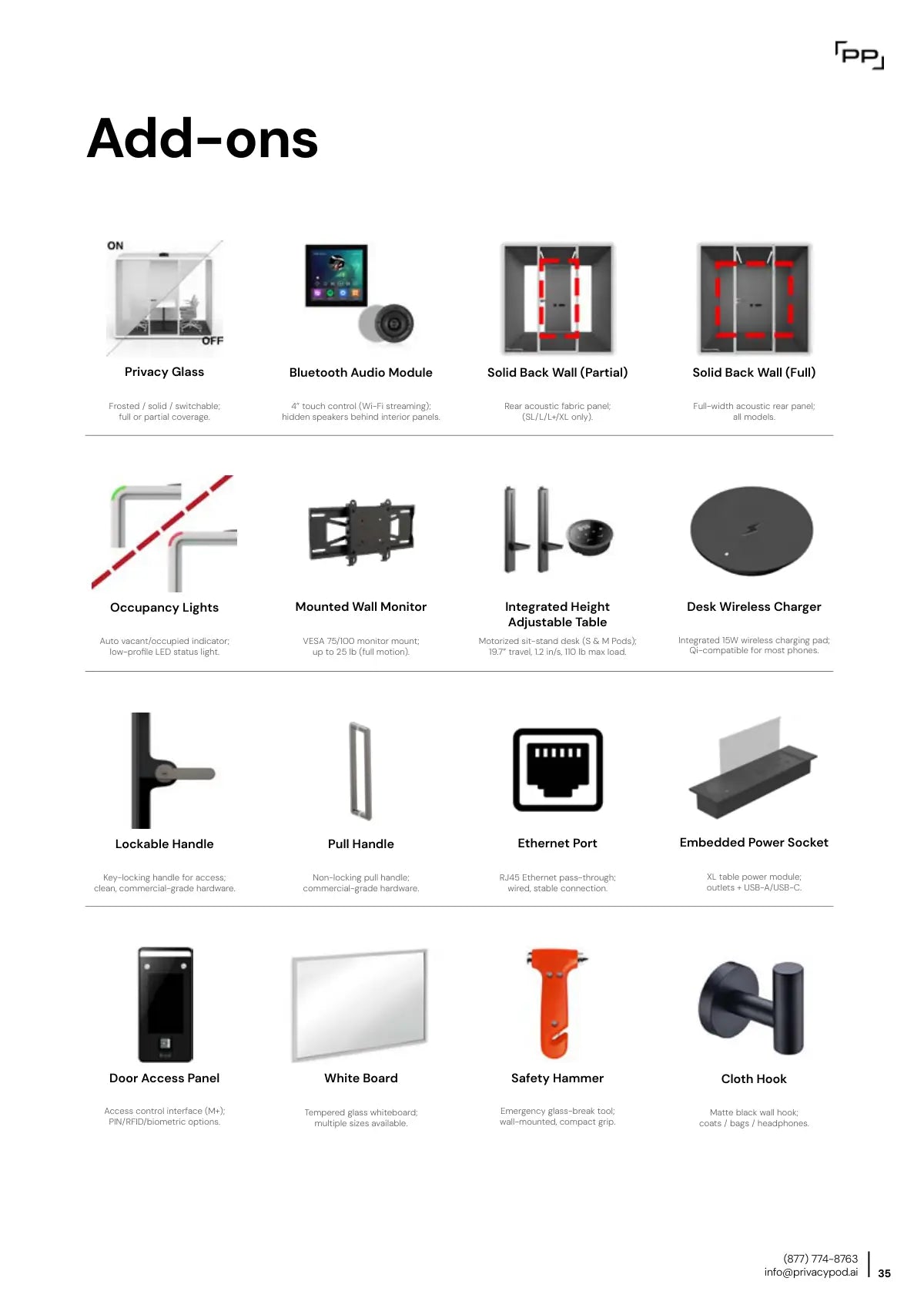
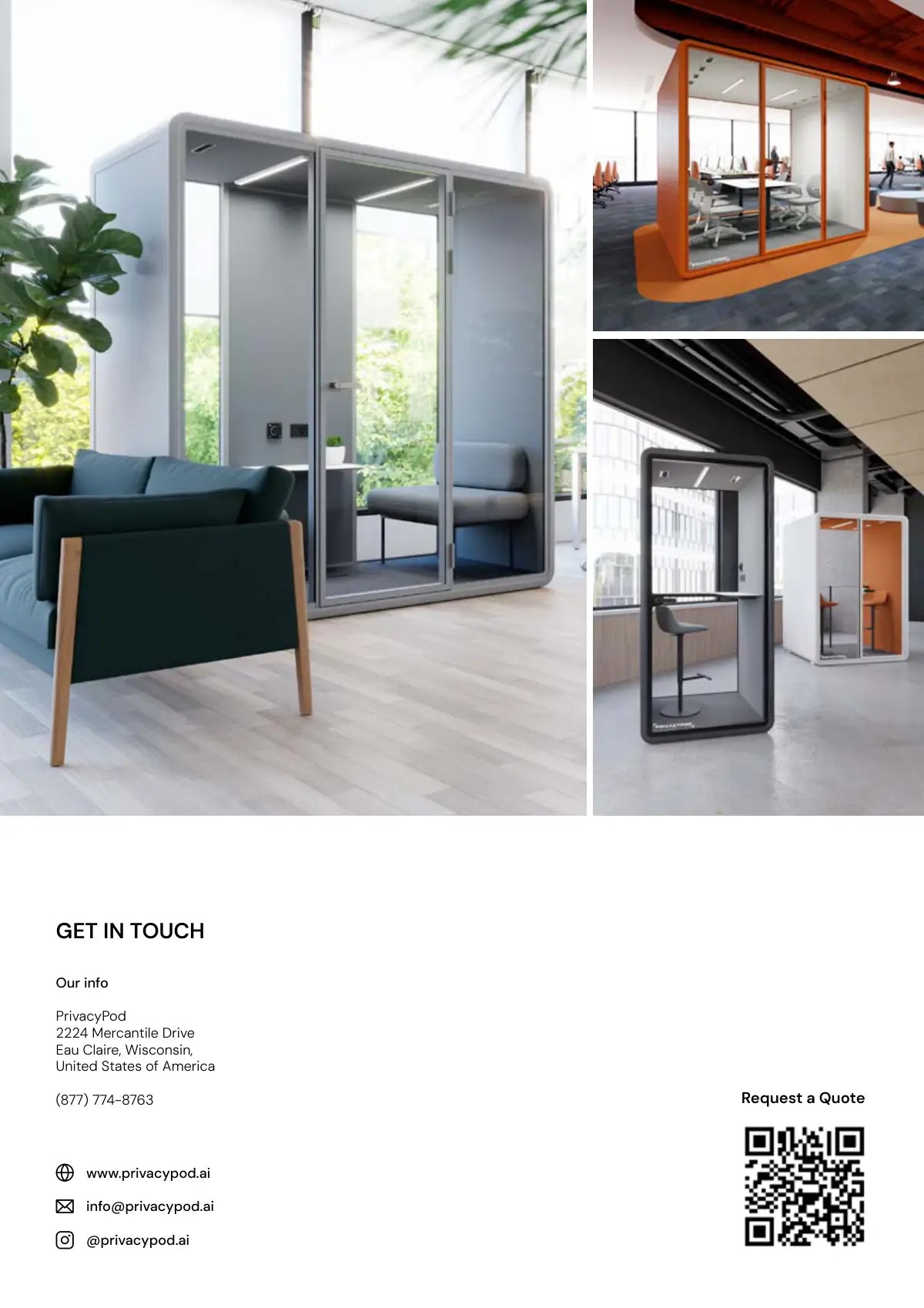
Once your macro zoning is in place, you can focus on micro-level solutions that provide variety and control. For existing offices, retrofitting with modular elements like office pods is often more practical and cost-effective than traditional construction.
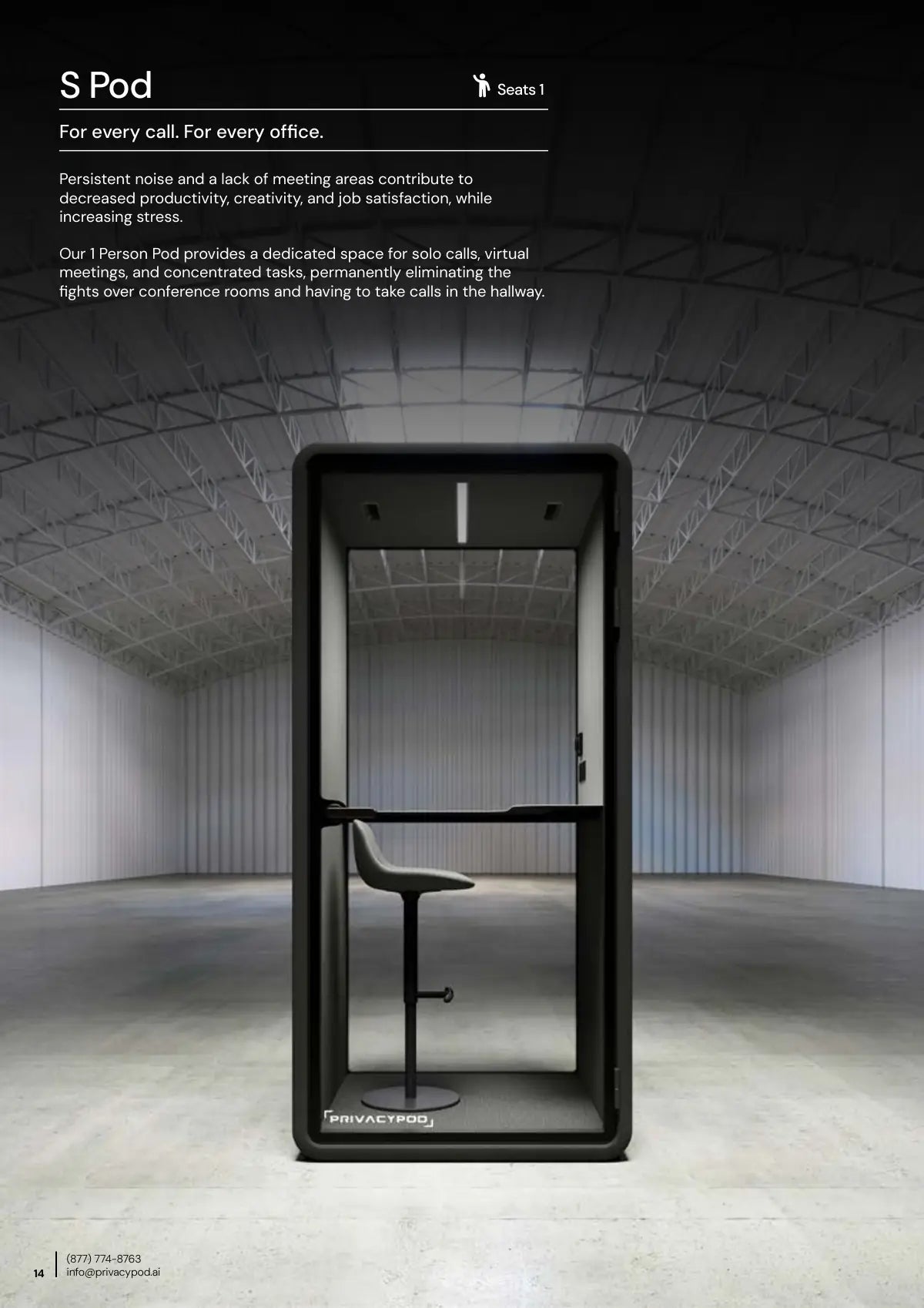
Building new drywall rooms is slow, disruptive, and inflexible. Modular acoustic pods and booths offer a "plug-and-play" solution that can be up to 60% faster to install. They are also classified as furniture, allowing for faster depreciation and relocation during future office reconfigurations.
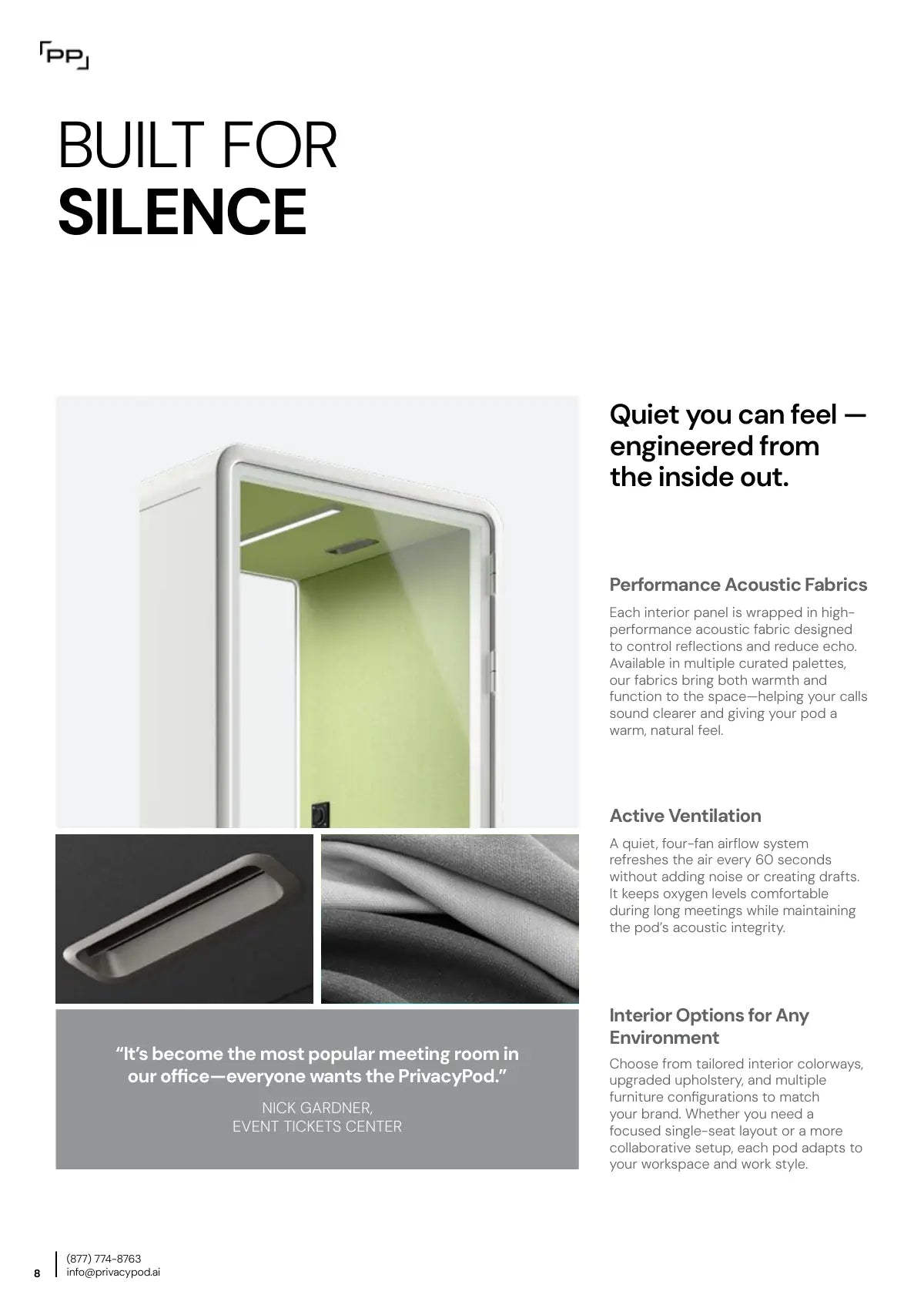
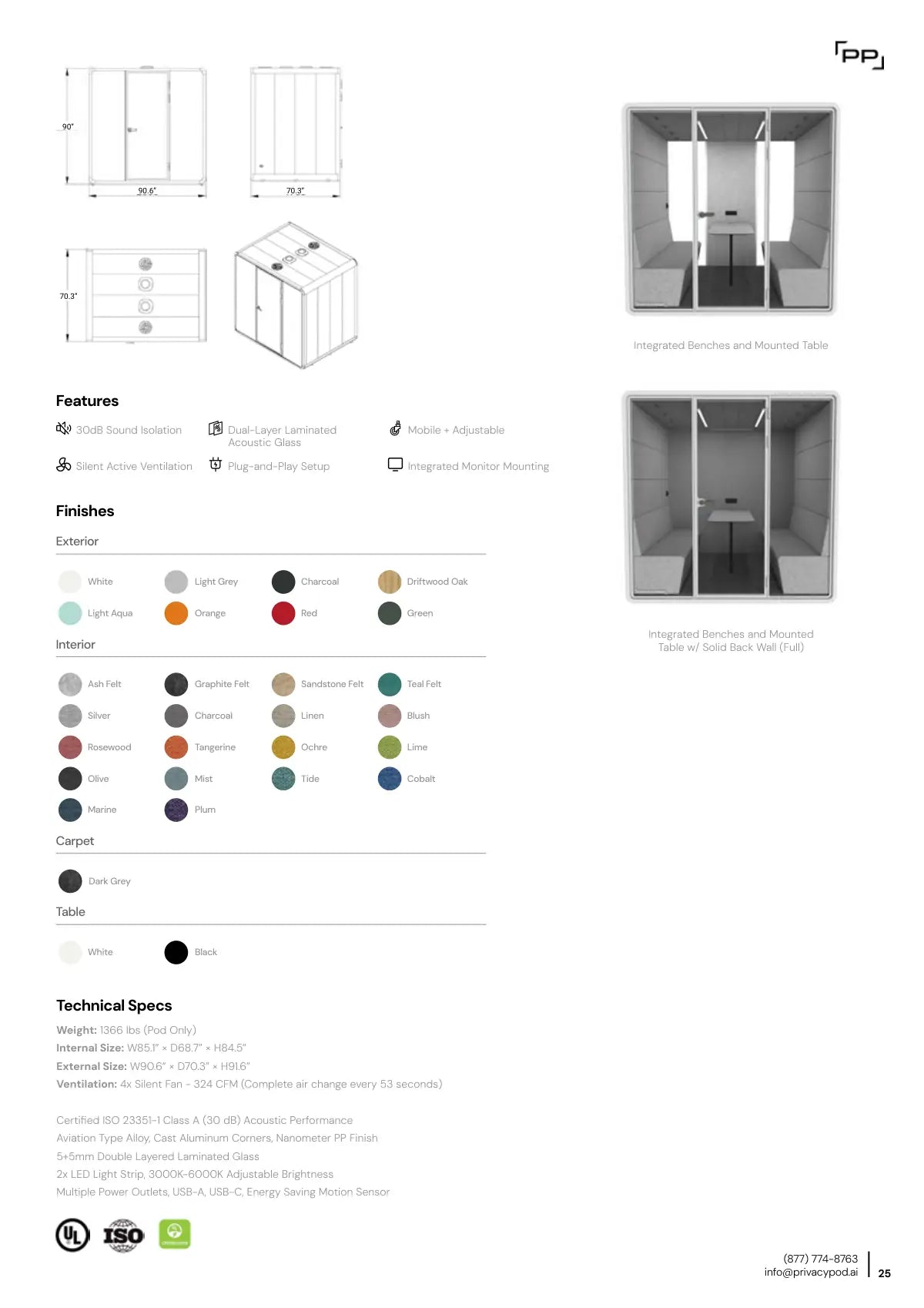
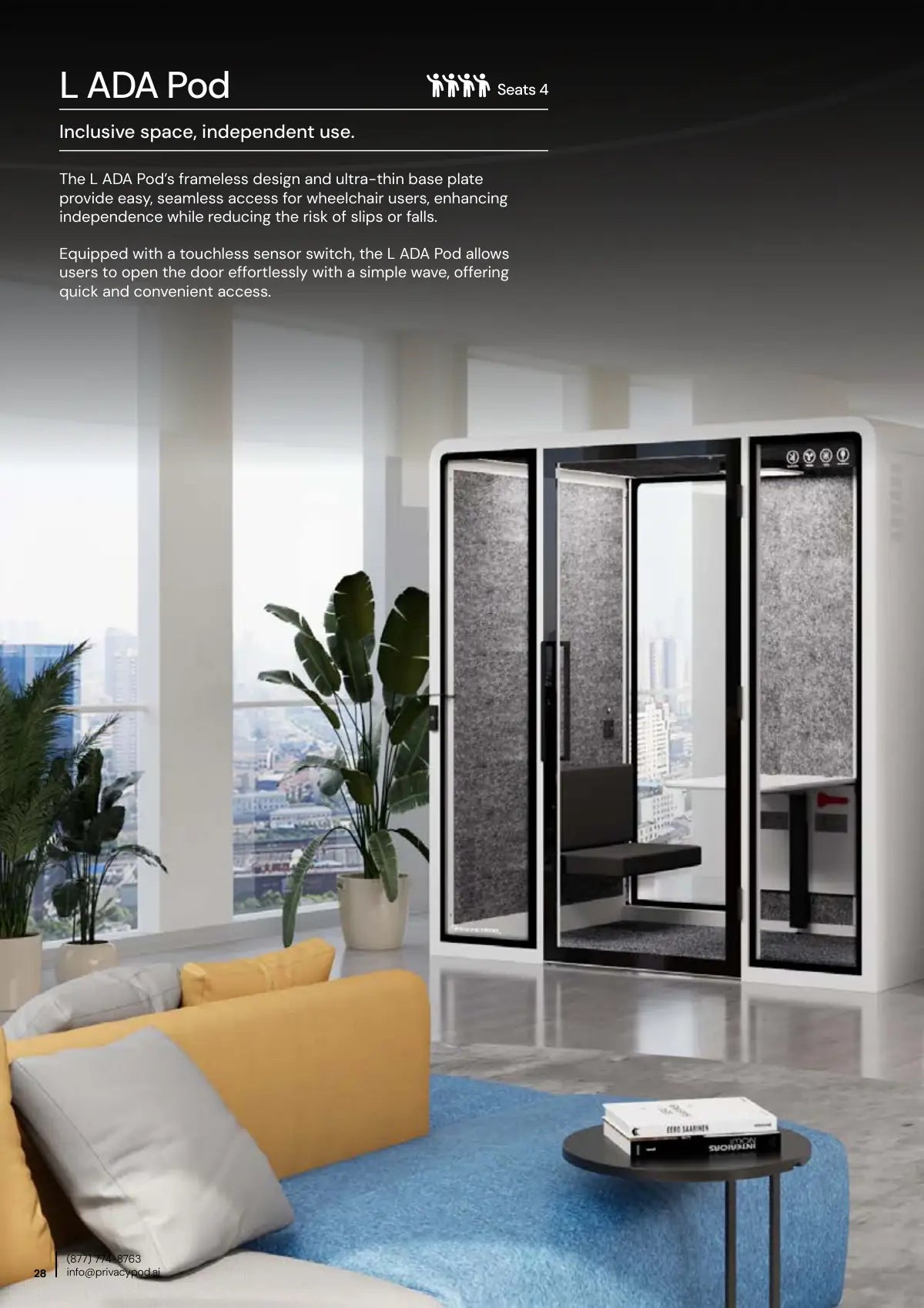
When selecting a modular solution, focus on certified performance and universal design. Look for options that are ISO 23351-1 certified for speech level reduction, ensuring true speech privacy. Key features should also include ADA-compliant models, sustainable construction materials, and a turnkey installation process to simplify deployment.
Pro Tip: Think beyond initial cost. Modular pods are flexible assets, not sunk costs. Their ability to be moved and a faster depreciation schedule often deliver a superior long-term ROI compared to permanent drywall, protecting your investment during future reconfigurations.
How to Meet Compliance and Universal Design Standards
Investing in acoustic solutions isn't just about improving productivity; it's also about meeting legal and wellness standards. Understanding how frameworks like ADA, WELL, and LEED address acoustics helps build a business case. Your design choices can contribute to valuable certifications and demonstrate a commitment to accessibility.
| Standard | Key Acoustic Clause | How Modular Pods Help |
| ADA (Americans with Disabilities Act) | Requires effective communication and equal access. This implies providing spaces with adequate speech privacy and low background noise (typically ≤ 50 dB). | An ISO-rated enclosure provides a predictable, certifiable quiet space that easily meets this threshold. ADA-specific models of soundproof pods guarantee physical access. |
| WELL v2 (Feature C06: Acoustic Comfort) | Sets specific thresholds for background noise in different spaces (e.g., ≤ 40 dBA in focus zones) and requires designated quiet zones. | A certified pod provides a designated quiet zone with ISO 23351-1 Class A speech privacy, supporting the focus-zone and quiet-zone requirements and contributing to certification points. |
| LEED v4.1 (Credit: Acoustic Comfort) | Awards points for meeting reverberation time standards, limiting background noise, and incorporating sound isolation strategies. | Reconfigurable pods support the point pathway by providing flexible, high-performance sound isolation zones without the environmental impact of new construction. |
How to Measure Impact on Productivity and DEI
Noise is still considered the number one deterrent to workplace productivity, so showing improvement here is critical. Move beyond anecdotal feedback by establishing key performance indicators (KPIs) before and after your intervention.
Key metrics to track include:
 |
Focus-Time Ratio: Use software tools to measure the percentage of time employees spend in "deep work" vs. "distracted work." Look for a quantifiable increase in focus time post-implementation. |
 |
Neurodiverse Hiring & Retention: Partner with HR to track the hiring and retention rates of employees who self-identify as neurodivergent. A more supportive environment is a powerful retention tool. |
 |
Absenteeism & Sick Days: Monitor rates of absenteeism, particularly short-term absences that may be linked to burnout or sensory fatigue. A reduction can signal a healthier work environment. |
 |
Post-Occupancy Satisfaction Surveys: Deploy simple surveys using a 1-7 Likert scale to gauge employee satisfaction with the acoustic environment, noise levels, and their ability to find quiet spaces when needed. |
You can leverage technology like acoustic sensors to get objective decibel level data. Correlate this information with feedback from your HR analytics dashboards to paint a complete picture of the impact your acoustic strategy is having on the organization.
Implementation Roadmap & Budget Considerations

Transforming your workplace's acoustic landscape can feel massive, but a phased, data-driven approach makes it manageable. Rather than a complete overhaul, follow a strategic roadmap to test, learn, and scale your solutions effectively. This ensures your investments are targeted and successful.
A simple four-step implementation ladder can guide your process:
 |
Assess & Analyze: Begin with a professional acoustic audit to identify noise hotspots and vulnerabilities. Simultaneously, conduct an occupant survey to gather qualitative data on employee pain points and needs. |
 |
Prototype & Pilot: Start small by installing one or two modular pods in a high-traffic area or creating a pop-up quiet zone. This allows you to test a solution with a limited budget and gather user feedback. |
 |
Iterate & Refine: Collect data from your pilot program to tweak your approach, test different locations, or refine the "rules of use" for quiet zones based on feedback. |
 |
Scale & Standardize: Once your prototype has proven its value, develop a plan for a wider rollout. Consider every indoor location on the campus, including libraries and student centers, and update company policies to support the new zoning. |
Understanding the budget implications is crucial. While upfront costs vary, modular solutions often provide a faster and more compelling return on investment compared to traditional construction methods.
Important: Don't skip the assessment phase. Installing solutions without data from an acoustic audit and employee surveys is a common, costly mistake. You risk solving the wrong problem or placing expensive assets where they won't be used effectively.
The Future is Inclusive: Why Designing for Neurodiversity Matters
Creating a workplace that embraces neurodiversity is no longer a peripheral HR initiative. It is a core business strategy for innovation, talent retention, and corporate responsibility. As we have seen, acoustic architecture is not an expense but an investment in human potential.
An acoustically inclusive environment is a powerful declaration that your organization values deep work and respects individual needs. By moving beyond outdated paradigms and adopting a principled approach based on choice and sensory well-being, we can dismantle invisible barriers. The journey begins with understanding the profound impact of sound and resolving to design a better way to work.
References
Fink, D. (2025, May 7). Office noise is a major deterrent for employees. Quiet Communities.
https://quietcoalition.org/office-noise-is-a-major-deterrent-for-employees/
Nezich, H. (2018, September 27). Workplace productivity trends – Are employees more productive in the office or at home? Small Business Association of Michigan. Retrieved December 1, 2025, from
https://www.sbam.org/workplace-productivity-trends-are-employees-more-productive-in-the-office-or-at-home/
Sanford Health OCCMED. (2025). Why Noise Protection is Important in the Workplace. Why Noise Protection is Important in the Workplace.
https://occmed.sanfordhealth.org/resources/article-library/why-noise-protection-is-important-in-the-workplace
Understood. (2025, May 15). Navigating stigma, uncertainty, and optics: 2025 “Neurodiversity at Work” survey reveals gaps in support for neurodivergent employees. Understood.
https://www.understood.org/en/press-releases/2025-neurodiversity-at-work-survey